Browse Topics
Discover stories that matter to you
 Travel Sphere
The Ultimate Guide to Backpacking Through Southeast Asia
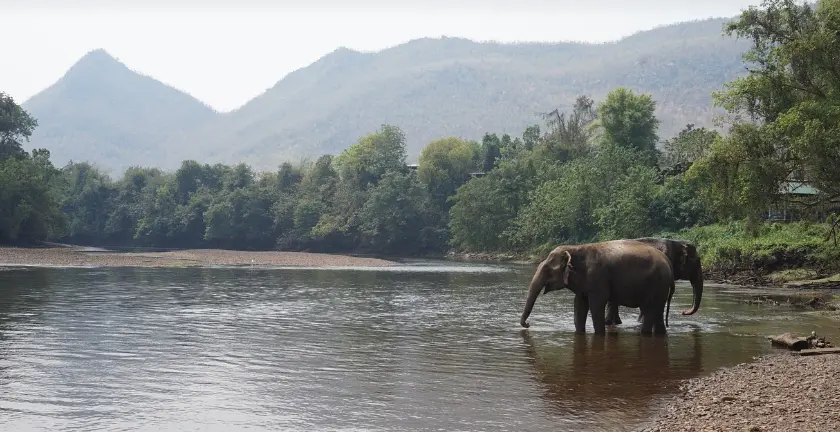
Southeast Asia is a backpacker’s paradise, offering an abundance of cultures, landscapes, and experiences that cater to every type of traveler. Whether you’re lounging on pristine beaches, exploring ancient temples, or trekking through lush jungles, Southeast Asia has something for everyone. But how do you make the most of a backpacking trip through this fascinating region? Here’s everything you need to know. Best Destinations for Backpackers in Southeast Asia: Thailand: Thailand is the perfect introduction to Southeast Asia with its bustling cities, beautiful islands, and vibrant street food culture. Don’t miss Bangkok’s Grand Palace, the temples of Chiang Mai, and the islands of Koh Phi Phi and Koh Samui. Vietnam: From the lush terraced rice fields of Sapa to the stunning Halong Bay, Vietnam is full of dramatic landscapes and rich history. Explore Hanoi’s Old Quarter and don’t forget to sample pho at a local street vendor. Cambodia: Home to the famous Angkor Wat temple complex, Cambodia offers a mix of ancient history and natural beauty. Siem Reap is a must-see for history lovers, while the beaches of Sihanoukville offer a great place to unwind. How to Travel on a Budget: Accommodation: Hostels are widely available across Southeast Asia, offering affordable options for solo travelers and groups alike. Look for guesthouses or homestays to immerse yourself in local culture. Street Food: Southeast Asia’s street food scene is legendary, and you’ll find delicious and cheap meals at food stalls in every city and village. Transportation: Buses, trains, and low-cost flights are great ways to travel cheaply between countries in Southeast Asia. In cities, tuk-tuks and motorbike taxis are cheap and fun ways to get around. Essential Travel Tips for Southeast Asia: Pack Light: You’ll be moving frequently, so pack only the essentials to keep your load light. Respect the Local Culture: Southeast Asia is home to many different cultures and religions. Be mindful of local customs, particularly when visiting temples and religious sites. Stay Safe: While Southeast Asia is generally safe for backpackers, always keep an eye on your belongings and avoid walking alone at night in unfamiliar areas. Conclusion: Backpacking through Southeast Asia is an adventure that will leave you with unforgettable memories. With its diverse cultures, stunning landscapes, and affordable travel options, it’s a destination that should be on every backpacker’s bucket list.
 Travel Sphere
Embarking on the Ultimate Road Trip Adventure
Embarking on a road trip is a classic way to experience the joy of travel, with the freedom to meander and the thrill of uncovering hidden gems at your leisure. To make your next road trip one for the ages, consider the following steps to ensure an unforgettable experience. Essential Planning Steps for the Ultimate Road Trip: Select Your Path: Consider whether you wish to traverse a renowned scenic route, such as the Pacific Coast Highway, or if you’d rather venture into lesser-known locales. Prepare Your Gear: Ensure you have all the essentials, from sustenance and hydration to medical kits and entertainment for the long drives. Incorporate Pit Stops: To maintain energy and interest, schedule regular breaks at picturesque spots, unique roadside stops, or national parks. Enhancing Your Road Trip Experience: Craft a Soundtrack: A well-curated playlist can elevate the mood of your journey, so compile one that resonates with your trip's essence. Carry a Journal: Document your experiences, observations, and the captivating sights you encounter through a travel journal. Final Thoughts: The essence of a road trip lies in the voyage itself, rather than the final destination. With meticulous planning and a spirit of adventure, you can craft a road trip that will become a cherished memory for a lifetime.
 Travel Sphere
Setting Out on an Eco-Conscious Adventure: Your Ultimate Guide to Green Travel
Traveling with environmental consciousness is not just a trend; it's a commitment to preserving our planet. Recognizing the substantial impact of the travel industry on global carbon emissions, it's essential for travelers to embrace sustainable practices. Here are some ways you can explore the world while reducing your ecological footprint. Embarking on Sustainable Tourism Sustainable tourism requires a deliberate effort to lessen the adverse environmental, societal, and economic impacts of travel. It's about enhancing the places you visit, ensuring their sustainability, and securing their prosperity for generations to come. Core Principles of Sustainable Tourism: Respect Cultural Heritage: Always honor and respect the local customs, traditions, and lifestyle. Reduce Environmental Impact: Opt for green transport options, such as trains or buses, over flying when feasible. Support Local Economies: Support local businesses, eateries, and lodgings to foster community growth. Advice for the Eco-Minded Traveler: Select Sustainable Lodgings: Choose accommodations that prioritize green practices like renewable energy, waste management, and water conservation. Travel in Low Season: Traveling in the off-peak season alleviates pressure on local resources and lessens the environmental impact of tourism. Participate in Conservation Efforts: Engage with local environmental initiatives, from wildlife protection to beach clean-up activities. Final Thoughts: Sustainable tourism is the wave of the future in travel. By being aware of the consequences of your travel choices, you contribute to the preservation of our planet's natural and cultural heritage, ensuring that future generations can enjoy and value these treasures as you have.
 Travel Sphere
The Rise of Slow Travel: Embracing Quality Over Quantity
In recent years, the trend of slow travel has emerged as a direct response to the fast-paced, checklist-style vacations many of us are used to. Instead of rushing through multiple cities in one trip, slow travelers are opting to spend more time in fewer destinations, immersing themselves in the local culture and environment. Why Slow Travel Is Gaining Popularity Environmental Impact: Traveling slowly can help reduce the carbon footprint associated with frequent flights. Mental Health: Taking your time allows you to decompress and truly experience a destination, rather than feeling like you're constantly rushing to the next spot. Deep Connections: You get to know locals, discover hidden gems, and form lasting memories rather than just ticking off tourist attractions. Tips for Embracing Slow Travel: Choose One Destination: Rather than hopping between cities, focus on one area and really get to know it. Engage with the Local Culture: Learn the language, try local foods, and interact with residents to make your trip more meaningful. Opt for Alternative Accommodations: Consider homestays, rural escapes, or eco-lodges for a more immersive experience. Conclusion: Slow travel offers a refreshing break from the usual tourism rush, allowing you to recharge, connect with locals, and enjoy the small moments. It’s time to shift our focus from how many places we can visit to how deeply we can experience each destination.



More Articles
Embarking on a Journey with the Environment in Mind: A Complete Handbook for Green Travel
Eco-friendly travel is more than a fleeting fad; it's a dedication to the conservation of our Earth. Given that the tourism industry significantly contributes to global carbon emissions, it's crucial for globetrotters to adopt sustainable methods. Here's how you can traverse the world while minimizing your environmental impact. Mastering the Art of Sustainable Tourism Sustainable tourism involves making a conscious effort to mitigate the negative effects of travel on the environment, society, and economy. It's about enriching the destinations you visit and ensuring their longevity and success for future generations. Fundamental Tenets of Sustainable Tourism: Uphold Cultural Heritage: Always show reverence for local traditions, culture, and ways of life. Minimize Environmental Footprint: Choose eco-friendly transportation options, such as trains or buses, over air travel when possible. Strengthen Local Economies: Patronize local businesses, restaurants, and accommodations to bolster community development. Guidance for an Eco-Friendly Traveler: Choose Eco-Friendly Accommodations: Opt for lodgings that emphasize sustainable practices like renewable energy, waste reduction, and water efficiency. Plan Travel During Off-Peak Times: Traveling during the off-peak season helps to reduce the strain on local resources and the environmental burden of tourism. Join Conservation Initiatives: Engage with local environmental protection efforts, from safeguarding wildlife to participating in beach clean-ups. Closing Reflections: Sustainable tourism represents the future of travel. By being mindful of your travel decisions and their consequences, you are preserving the natural and cultural treasures of our planet for future generations to experience and cherish as you have.
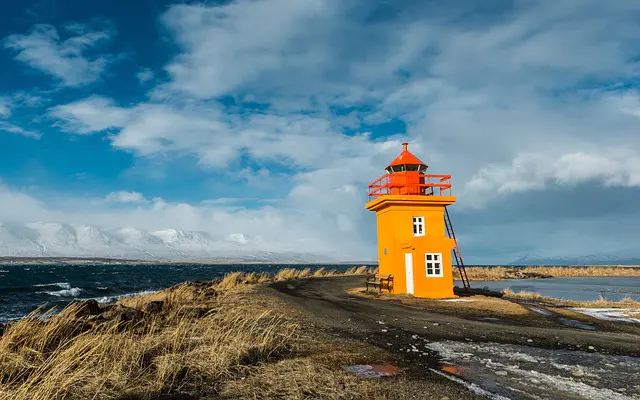
Discovering the Best of Iceland: A Traveler’s Guide to the Land of Fire and Ice
Iceland is a destination like no other, known for its dramatic landscapes of volcanoes, glaciers, and geothermal springs. Whether you’re hiking on glaciers, relaxing in the Blue Lagoon, or chasing the Northern Lights, Iceland offers a wealth of unique experiences for adventurous travelers. Top Places to Visit in Iceland: Golden Circle: This popular tourist route takes you to some of Iceland’s most iconic sights, including the Geysir Hot Springs, Gullfoss Waterfall, and Þingvellir National Park, where you can stand between two tectonic plates. Blue Lagoon: A must-visit for relaxation, the Blue Lagoon is a geothermal spa located near Reykjavik. Its warm, mineral-rich waters are said to have healing properties. Jökulsárlón Glacier Lagoon: This stunning glacier lagoon is home to floating icebergs and provides incredible photo opportunities. Nearby, you’ll find the Diamond Beach, where ice chunks wash up on the shore. Unique Icelandic Experiences: Chasing the Northern Lights: From September to March, Iceland is one of the best places to see the Aurora Borealis. You can book a tour to catch this breathtaking natural phenomenon. Caving and Lava Tubes: Iceland is home to several volcanic caves and lava tubes, including the Vatnshellir Cave, where you can take a guided tour to explore the underground world. Hiking in Landmannalaugar: This area in the Fjallabak Nature Reserve is famous for its colorful mountains, hot springs, and hiking trails. It’s perfect for those seeking adventure and stunning landscapes. Travel Tips for Iceland: Rent a 4x4 Vehicle: Iceland’s roads can be rough, especially in winter, so a 4x4 vehicle will help you get around safely. Pack for All Weather: Iceland’s weather is unpredictable. Be sure to pack layers, waterproof gear, and sturdy hiking boots, no matter the season. Respect Nature: Iceland’s natural beauty is fragile, so always stay on marked paths and be mindful of local environmental regulations. Conclusion: Iceland is a land of extremes, with otherworldly landscapes that make it one of the most unique travel destinations on the planet. Whether you’re an outdoor enthusiast or a culture seeker, Iceland offers an adventure you’ll never forget.
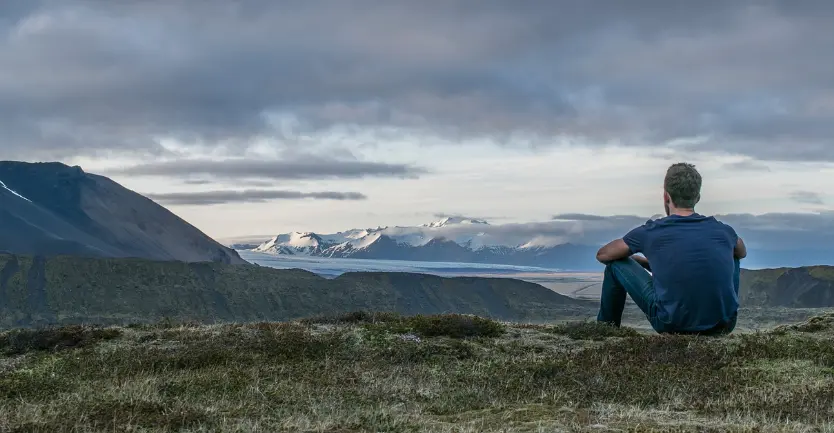
How Solo Travel Can Transform Your Life
Solo travel is no longer just for adventurous backpackers or gap year travelers. It’s become a powerful way to explore the world on your own terms, offering unparalleled freedom and personal growth. The Benefits of Solo Travel Self-Discovery: Traveling alone forces you to step out of your comfort zone, helping you discover new strengths and passions. Flexibility: No need to compromise on activities, destinations, or travel style—everything is on your own schedule. Building Confidence: When you navigate a new city by yourself, you learn to trust your instincts and become more confident in your decisions. Practical Tips for Solo Travel: Plan Ahead, But Leave Room for Spontaneity: While it’s important to have a basic itinerary, leave some time for unplanned adventures. Stay Safe: Share your travel plans with a friend or family member, and trust your gut in unfamiliar places. Embrace the Freedom: Don’t feel pressured to fill every moment with activities—sometimes, just sitting in a café and people-watching can be the best part of the day. Conclusion: Solo travel can be life-changing, offering profound experiences that can transform how you see yourself and the world. If you’ve never traveled solo, 2024 might be the year to take the leap.
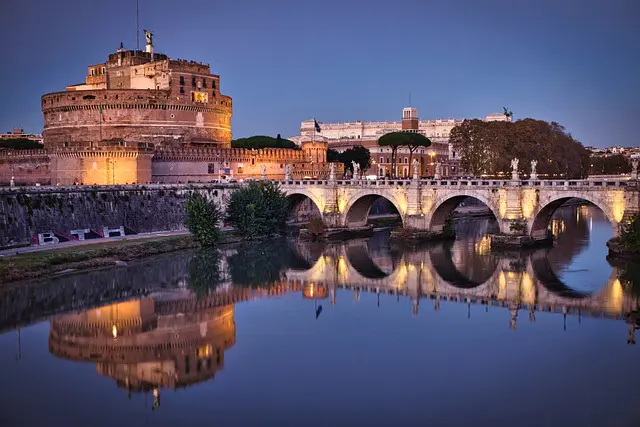
Embarking on an Italian Adventure: A Complete Travel Guide from Rome to the Amalfi Coast
Italy, a nation steeped in romance and cultural wealth, offers a plethora of historical marvels, architectural splendors, and delectable cuisine. Journey from the timeless ruins of Rome to the chic Amalfi Coast, where an abundance of enchanting destinations and experiences await the intrepid traveler. Must-Visit Destinations in Italy: Rome: A journey through Italy is incomplete without a stop in its capital. Discover the Colosseum, Roman Forum, and Vatican City, which houses St. Peter’s Basilica and the Sistine Chapel. Florence: The cradle of the Renaissance, Florence is home to iconic sites such as the Uffizi Gallery, Ponte Vecchio, and the Florence Cathedral. Amalfi Coast: Renowned for its dramatic cliffs and idyllic villages like Positano and Amalfi, the Amalfi Coast provides breathtaking coastal vistas and serene seaside retreats. Culinary Delights to Savor: Pizza in Naples: As the birthplace of pizza, Naples offers the opportunity to taste the genuine Neapolitan pizza, characterized by its thin crust and simple, yet scrumptious toppings. Pasta: Italy's pasta varieties are globally celebrated, from the indulgent carbonara in Rome to the exquisite ravioli in Tuscany. Gelato: Ensure you indulge in some authentic gelato before leaving Italy. Florence, notably, has several renowned spots for their artisanal flavors. Practical Tips for Traveling in Italy: Car Rental for the Amalfi Coast: While Rome and Florence are best navigated on foot or via public transport, renting a car is advisable for traversing the Amalfi Coast's meandering roads. Advance Ticket Booking: Top Italian attractions, such as the Colosseum and the Uffizi Gallery, often have lengthy queues, so it's highly recommended to book your tickets online beforehand. Siesta Hours Awareness: Many businesses and eateries close for a few hours in the afternoon, so it's wise to plan your activities with this in mind. Conclusion: Italy is the ultimate dream destination for those who cherish history, culture, cuisine, and natural splendor. With its varied terrains and warm hospitality, it's clear why Italy remains a favored destination for globetrotters worldwide.
New perspectives: Brave openings and what to catch at the Venice Biennale and Art Basel
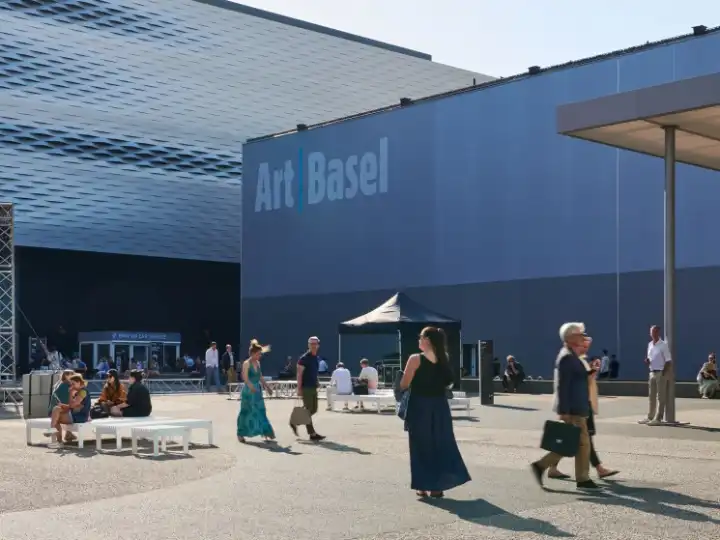
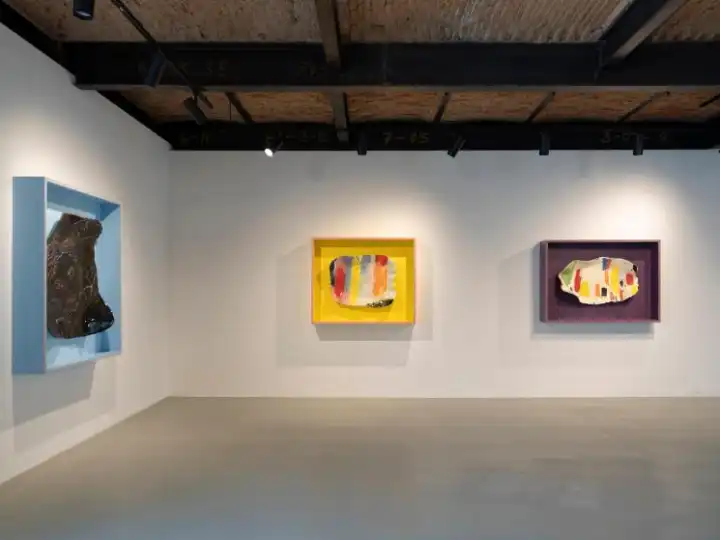
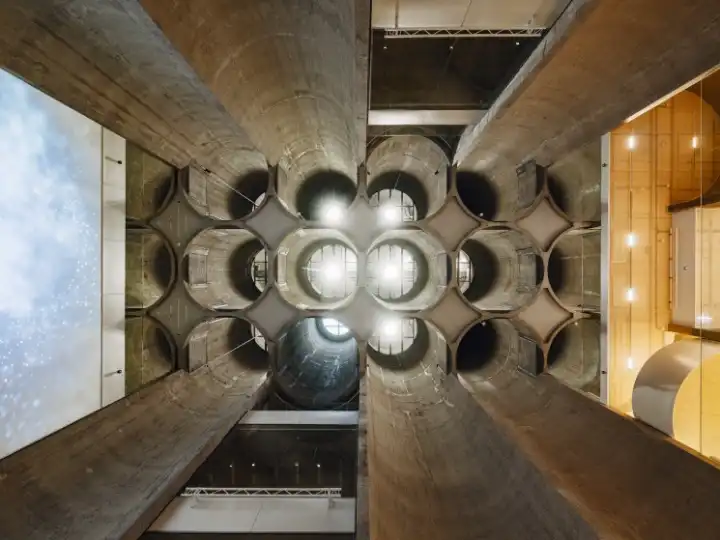
The Culture pages of Monocle’s June issue include a dab of inspiration, a splatter of fresh ideas and a rather fetching art special. First, our editors whisk you around three bold new openings, from the gallery making Carthage cool again (and rallying Tunisian talent) and a Valencian palace-turned-nightclub that’s welcoming an altogether artsier crowd, to the canny conversion of a military building aiming to put Kristiansand in Norway on the contemporary art map.Elsewhere in these pages, we offer a not-to-be-missed preview of Art Basel, the 10 things to see at the Venice Biennale and share come secrets from a Canadian art collector par excellence. Sometimes the hardest thing about making a masterpiece is knowing when it’s finished – we hope that you enjoy our portrait of the best to see, buy and inspire this summer.Emerging art sceneCarthage coolTunisGallerist Selma FerianiSelma Feriani took a gamble when she decided to open a contemporary art gallery in Tunis’s commercial district Le Kram, far from the city’s arts neighbourhood. “When you take the initiative, other people follow your lead,” says Feriani, who is perched on an orange George Nelson sofa on the vast third floor of her industrial gallery, which was designed by Tunisian architect Chacha Atallah. The space, the largest of its kind in the country, deliberately feels out of place. Feriani wanted to redefine the city’s arts boundaries by positioning her gallery downtown, rather than in the bourgeois neighbourhood of La Marsa, where you’ll find the residence of the French ambassador and the whitewashed bohemian village of Sidi Bou Saïd, which Paul Klee came to paint in 1914.It’s a bold move but this is Feriani’s third outpost (she first opened in London’s Mayfair in 2010 before inaugurating a smaller space in Sidi Bou Saïd in 2013, now closed) and she isn’t afraid to take risks when it comes to championing her country’s art. More challenging, however, has been finding Tunisian artists who remain in the country. Under the dictatorship of Zine El Abidine Ben Ali, Tunisian creatives emigrated en masse to Europe in the 1980s in search of freedom of expression and, since his overthrow in 2011, their return has been slow and gradual. But Feriani intends to do everything she can to keep them here.Exhibition opening at Selma Feriani’s galleryTunisia gained independence from France in 1956 and the European population that had settled in Tunis under the French protectorate dissipated. “The identity of the arts and culture scenes experienced a vigorous Arabisation as a result,” says Atallah. That Feriani’s eponymous gallery has moved from a location in a converted convent in Sidi Bou Saïd to a slick white cube in Le Kram in the time since the dictatorship was dismantled is a useful barometer for measuring how the country’s changed politics have given the arts space to flourish.Nevertheless, ever a product of its time, art here remains politically charged. Wider social tensions have calmed but the sector is experiencing significant growing pains. As a result of heavy taxes imposed on importing and exporting artworks, as well as the weakness of Tunisia’s currency, making a living as an artist in Tunis can be complicated and arduous. Relocating elsewhere is not an option for most. The US, for example, only offers 55,000 visas to Tunisians seeking to emigrate via an annual lottery.Sculptures by Nidhal Chamekh at the Selma Feriani GalleryPainter Fares ThabetBut the community is persistent and is making headway at home. “In Tunis, you always have to have a plan B because nothing comes without a fight,” says Feriani. “As Tunisians, we know never to ask anything of the government. Instead we support each other.” In a country that dedicates a tiny percentage of its budget to the arts, the scale of the new Selma Feriani Gallery sets a precedent for a city with a distinct absence of space for exhibitions.Feriani’s aim isn’t just to contribute to her native city’s burgeoning art market; she wants to take it to the next level. “I looked to build a gallery that would become a reference point for the region and for the continent as a whole,” says Feriani, who hopes that by exhibiting works by Latin American and Middle Eastern artists, alongside the domestic output (which remains the focus), she can create a cultural mix, harnessing renewed links, particularly within the Middle East and North Africa. She wants to channel her energy into bringing art to Tunis, rather than sending it away. “I don’t want to be everywhere and nor do my artists,” she says. “When artists from here become international, they’re no longer accessible to the Tunisian market, which disenfranchises the industry further.”One way of doing this has been to create an artist-in-residence programme. “We want to invite international and Tunisian players to spend time in Tunis, to integrate into the tight-knit community and to produce site-specific projects,” she says. In a converted garage in Bhar Lazreg, a rural area in the northern suburbs, Franco-Tunisian visual artist Férielle Doulain-Zouari, who studied at the École Duperré Paris, is currently using the programme to hone her craft. “In Bhar Lazreg, it’s much easier to engage with people who don’t find the city’s art to be very accessible,” she says, motioning to curious onlookers peering in, including a flock of sheep – a reminder of how recently this area has become home to an artistic community. Industrial workshops here make raw materials that Doulain-Zouari, who uses scraps from an ironmonger and a Syrian glassblower based nearby, can easily access to celebrate what she refers to as the behind-the-scenes Tunis.Bohemian village of Sidi Bou SaïdBehind the scenes at Selma’s galleryFeriani’s dynamic artist-in-residence programme is nurturing local talent and helping to democrtise the industry. “Before the Tunisian Revolution, the art world was reserved for those who could afford to study in Paris. Now emerging creatives are being granted the space to get involved, challenging the Western idea of the art world as elitist,” says sculptor and filmmaker Malek Gnaoui, who is also the artistic director of the video art section of the Gabes Film Festival. The trope of documentation appears in one form or another across much of Tunis’s modern artwork. “Our government is still very secretive when it comes to archiving,” says Gnaoui.Bookshop in Selma’s galleryCopper work in the MedinaEstablished in 2007, the work of cultural ngo L’Art Rue is another driving force behind the opening up of the city’s artistic spaces. Tucked away in the Unesco-protected medieval Medina, L’Art Rue’s lively programme runs workshops funded largely by the French and Swiss ministries of culture. “We’re trying to break down barriers, in terms of the spaces themselves but also economically: some of the most marginalised people live in the Medina, which is home to one tenth of the population,” says production manager Aicha Zaied. Cultural centre 32bis, which is in the former Philips HQ in downtown Tunis, offers free access to its media library to make arts publications more accessible. “We don’t publish enough art books in Tunis,” says Feriani, who has a budget to produce one publication a year. Removed from the pressurised environment of Europe’s most lucrative markets, artists choosing to return to Tunis feel some sense of relief. “Here my work has the space to breathe,” says landscape painter Fares Thabet, who studied fine art in Madrid before returning to Tunis in 2016 to take over his father’s ceramics workshop. “In Madrid, the art world has become very intellectual.” As we sip fresh mint tea on the studio balcony overlooking the coastal fishing village of La Goulette, it is clear why Thabet feels calmer away from the noise of Madrid.Exhibition at 32BISFérielle Doulain-ZouariThe same goes for other key European centres. “Paris is a bubble,” says photographer and calligrapher Nicène Kossentini, who studied fine arts at the Sorbonne University and whose calligraphy poetically preserves medieval Arabic texts, the language tha forms the bedrock of her Maghrebi identity. After exhibiting in Algiers, Tehran and Alexandria, Kossentini found the most fertile artistic territory in her native North African nation, returning in 2010 despite her family’s base in the French capital. It’s a familiar feeling that Feriani wants to harness. “In Tunis, your work won’t be judged. That’s very refreshing,” she says.Views of Sidi Bou SaïdBut without a comparable proliferation of arts institutions throughout Tunis, the new generation will continue to migrate. “It’s still the norm to study abroad because we only have 12 art schools,” says Kossentini. This has led to an undervalued Tunisian market. “Art here isn’t always meritocratic because people are still scared to give native artists a platform,” says Benjamin Perrot, co-founder of El Warcha design studio in Le Kram. “Until we fully commit to investing in the art produced within our borders, the scene here will lag behind.”Sculptor and filmmaker Malek GnaouiThough Tunis’s arts infrastructure continues to be hampered by political, economic and logistical constraints, there is a fresh sense of optimism pulsing through the city, which is still suffering from post-revolutionary trauma. Organised by L’Art Rue, the city’s biennial art festival was exported to Brussels for the first time in April. It is a clear indicator that there is a growing European appreciation for North Africa’s rich artistic offering, a trend that Feriani intends to nurture. The festival is aptly named Dream City – a reminder that Tunis has always dared to dream.selmaferiani.comTunis address bookstayLa Villa BleueArab-Andalusian architecture draped in bougainvillea looms large over the Gulf of Tunis.lavillableuesidibousaid.comeat & drinkBen RahimArab coffee culture is ingrained in Tunisia’s first speciality coffee shop, which is open late.benrahim.tnLe GolfeAn elegant spot overlooking the Mediterranean: sample the boutargue (mullet roe), a delicacy of the city’s Italian diaspora.restaurantlegolfe.comKonbiniJapanese-Mediterranean fusion cuisine inspired by Tokyo’s convenience store culture.Rue de Phosphate, MarsashopBleue DeliSidi Bou Saïd’s only concept store-cum-café: pick up a jar of locally made harissa or try the signature shakshuka.8 Rue Habib Thameur, Sidi Bou SaïddoPhosphor Design DistrictA creative area in the city’s industrial neighbourhood, which is home to 12 studios.Rue Phosphate, Bhar LazregLe Violon BleuSet up by Selma Feriani’s mother, Essia Hamdi, in 2004, this gallery promotes the modern artists of L’École de Tunis.16 Rue de la Gare, Sidi Bou SaïdThe palatial galleryHortensia Herrero Art CentreValenciaThe museum used to be a nightclubArt collector Hortensia Herrero’s plan to establish a museum that would be the pride of her hometown, Valencia, has been a decade in the making. Herrero, a part-owner of Mercadona, Spain’s biggest supermarket chain, wanted to create a world-class venue for cutting-edge international artists and worked with curator Javier Molins, her advisor and artistic director of the project, to make the museum come to life.“We had to think about what would be good for Valencia,” says Molins as he shows Monocle around the Hortensia Herrero Art Centre, obviously excited by the opening day ahead. “It’s about bringing together artists who would normally only exhibit in London or New York. By having this art here, we are making Valencia more beautiful and international than before,” he adds, peering out of a window towards the sun glinting off the golden roofs of the historical centre.Curator Javier MolinsThe Mediterranean city is already home to a clutch of well-pitched commercial galleries – among them, Luis Adelantado, Vangar and Ana Serratosa. But, until now, there were few hallmark spaces dedicated to bringing contemporary art into the public sphere. From works by Alexander Calder, Eduardo Chillida and Anselm Kiefer to Georg Baselitz, Olafur Eliasson and David Hockney, the collection is a hit list of modern visual art. The building is inviting, with the works presented against a deliberately accessible backdrop of whitewashed walls.Sean Scully’s rethought chapelFor some Valencianos, the structure is part of the pull. Many hadn’t stepped foot inside the building since its time as a club in the 1980s, when the owners are said to have kept lions in the basement (Monocle is still trying to find out whether this is apocryphal). The property was originally built as a palace in the 17th century but also served as a printing press forLas Provinciasnewspaper from the early 1890s until the 1970s. By the time the architects at Erre studio were tasked with reimagining the space in 2016, the building had been abandoned for decades. “It had completely deteriorated; it was in ruins,” says Amparo Roig, a partner at Erre and Herrero’s daughter, while standing in the light-filled inner courtyard. “But you could see that it was magical. We were sure that it would be great in the end.”The light-flooded former granaryPlaying with perspectivesRemarkably, it is the only place in town where you can catch a glimpse of the city’s ancient Roman circus, the remains of which are hidden beneath the streets. During the renovation work, the architects uncovered a medieval oven, Moorish fountains and a tiled passageway from the former Jewish ghetto. All of these signs of the city’s past are now displayed alongside the gallery’s main collection. “You know that you’re going to find a prize when you start digging in the centre of Valencia,” says Roig with a chuckle. “There are so many layers of history.”Olafur Eliasson’s iridescent corridorThe biggest challenge for the studio was to adapt the residence to displaying art. The team decided to build a vast, hidden elevator platform to bring hefty works all the way up to the top floor, as well as a new wing to house multimedia projects. Much of the debate between the architectural and curatorial teams centred on whether it was possible to keep all of the original windows in place – or whether it might be better to cover them up to create more wall space on which to hang the art.Work in situ Amparo Roig of architecture studio Erre 6The former idea – and seemly fenestration – prevailed. The refit feels more sensitive and airy as a result. The team was keen to involve artists in shaping the structure from the beginning of the process, commissioning six site-specific installations to maximise all the display space.Space to lingerArgentine artist Tomás Saraceno’s bulbous glass sculptures give the brick-lined courtyard an iridescent glare, while Cristina Iglesias’s “Transito Mineral” – a reproduction of large tree trunks in stone – creates a seamless passageway between the museum’s two wings. The building’s former chapel was given to Sean Scully, who produced a striped painting and two colourful stained-glass panels to add to the space’s sense of solemnity.British artist Mat Collishaw’s video installation, “Left in Dust”, plays a seemingly infinite loop of galloping horses that eventually reveals itself to be a chariot race. For him, the project was an opportunity to connect with the location and showcase its layers of history. “It’s good to evoke some of the ghosts of this spot,” he says, surveying his piece’s final placement. “In a lot of my work, I explore primal impulses and I am also interested in celebrating spectacle.”Artist Blanca MuñozBritish artist Mat CollishawMadrid-based artist Blanca Muñoz has a small sculpture on show in the building’s most atmospheric room – the former granary, under the old roof – and has collaborated with Herrero on a number of bespoke projects in other locations. She appreciates the value of a patron. “Working with a collector is the best thing that you can do,” she says, taking a seat on the breezy terrace. “It’s great to adapt your inner world to a concrete space.” Thanks to these artists’ efforts to fit in, the Fundacíon Hortensia Herrero is all the better for it. fundacionhortensiaherrero.orgThe museumKunstsiloKristiansand, NorwayStaircase inside a former silo cylinderA bird’s eye view of Kristiansand, a city on Norway’s southern tip, only a short ferry ride from Denmark, reveals a neat settlement nestled on a rugged coastline. A smattering of red, yellow and white wooden houses perch on the waterfront opposite a port where cruise ships from the UK and Germany dock and disperse little crowds at intervals throughout the day.Beyond the fish restaurants, wine bar and ice-cream parlour lies what is putting this city of nearly 117,000 people on the map: art, specifically Kunstsilo, a new quayside museum on the island of Odderøya, a former naval base in southwest Kristiansand. The space houses the Sørlandssamlingen (the South Collection), the Christianssands Picture Gallery and the Tangen Collection, the world’s largest, most comprehensive body of 2oth-century Nordic art. The last of these takes its name from Nicolai Tangen, the manager of the Norwegian Sovereign Wealth Fund, who bequeathed his collection of Nordic art to Kristiansand, his hometown, in 2015.As custodian of the donation, Kunstsilo received more than 3,000 ceramics, paintings, photographs, installations and conceptual works. Tangen believes that the new museum will make Kristiansand a more interesting place to live. “I love that this small place will be able to challenge some of the big national museums,” Tangen tells Monocle from Olso. “The museum will be important for the children who grow up there. It will also be good for visitors.”Magnus Wåge of Mestres Wåge ArquitectesExhibition rooms being readied for opening dayKunstsilo is within a former grain silo that was designed by renowned Norwegian architects Arne Korsmo and Sverre Aasland in 1936. The structure had stood unused for almost 20 years. And now Mestre Wåge Arkitekter, the practice that won the international competition to repurpose the silo – beating more than 100 other proposals – has breathed new life into it. Entrance to the museumKunstsilo’s industrial space feels akin to a cathedral. Its soaring silo cylinders have been cut open to enable free passage around the building. Monocle visits a month before its opening on 11 May. The atmosphere is giddy: everyone seems excited and not yet stressed about any last-minute snags. New staff are being ferried around to get the feel of the place. The menu for the downstairs café and rooftop restaurant is being sampled. Workers busily finish the plaza outside the building’s harbourside entrance.When the museum gave out passes for its opening day, they were snapped up within hours. “It was like selling tickets to a rock concert,” says Kunstsilo’s CEO, Reidar Fuglestad, who joined the project in 2017 having previously run a nearby theme park for 17 years.Modernist Nordic paintings on displayThe opening exhibition,Passions of the North, comprises 600 works from the Tangen Collection. It was curated by Åsmund Thorkildsen, who previously worked with Norway’s Drammens Museum, in consultation with Norwegian art historian Steinar Gjessing, and showcases significant pieces of Nordic modernism, including Swedish impressionist Isaac Grünewald and Danish surrealist Rita Kernn-Larsen.Curator Åsmund Thorkildsen“We have had a lot of fun developing this exhibition,” says Thorkildsen as he directs us through the exhibition rooms, some of which are painted in inviting hues of yellow, green, blue and pink. “We’ve done away with the neutral way of showing art,” he says, pointing at a group of paintings that hang close together as if in a huddle. He then stands next to a work that’s hung high up on the wall. “The placement does something to how you view the art,” he says with a mischievous glint in his eye. “The exhibition should be a bodily, as well as visual, experience.”Solen’ by Synnøve Anker AurdalHanne Silje Dovland, head of project management (left), and Else-Brit Kroneberg, head of collectionsBut the process of showing the Tangen Collection in a functionalist grain silo hasn’t been fun and games from start to finish. “We endured six-and-a-half years of political opposition and only six months of support,” says CEO Fuglestad.Kunstsilo’s exteriorHe explains that scores of Kristiansand’s residents opposed tax payers’ money going to the art museum. Kunstsilo became such a hot potato that local politics shifted against the project. However, once interest from beyond Norway’s borders started to trickle in, Fuglestad noticed a significant change in people’s attitudes and the positives of having the museum there became apparent. “Now it is a source of pride that residents can show to visitors,” he says. “I joined this project because I believe in it and I am convinced that it will bring real benefits to the people who live here.”kunstsilo.no
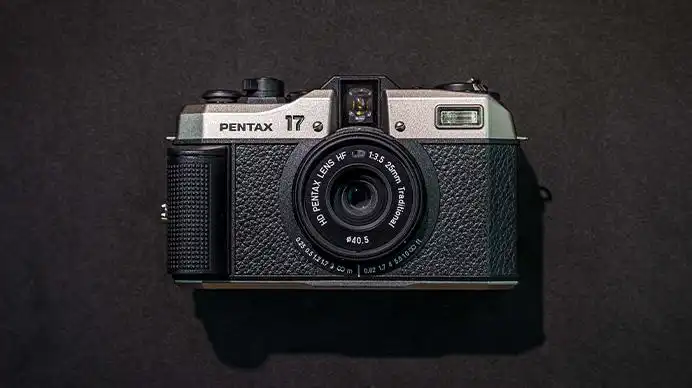
The Pentax 17 film camera is bringing a digital generation back to analogue
When camera designer Takeo Suzuki first suggested to his bosses at Ricoh Imaging that they make a new Pentax film camera, he was met with an awkward silence. Ricoh had acquired the iconic Japanese camera brand from the optical-glass company Hoya Corporation in 2011 but film-camera production had been abandoned in Japan; there hadn’t been a new Pentax model since 2003 and Ricoh’s focus was now fully on digital. “I just remember everyone seemed to freeze,” says Suzuki from the Pentax Clubhouse in Tokyo. Despite his colleagues being unsure, Suzuki managed to win them over. He persuaded them that they would be doing something completely fresh: making a film camera for the modern era, aimed primarily at a young smartphone-literate generation who don’t have a clue how to load film, let alone have the patience to wait for photographs to be developed. “I was one of those people who froze,” says Makoto Iikawa, an engineer. He started out as a sceptic but ended up leading the development team of the Pentax Film Camera Project, which created the Pentax 17, the company’s first film camera in 21 years.Suzuki and Iikawa were joined by Yoichi Nomura, a lens whizz, and Shinichiro Sanada, whose job was initially to turn dog-eared technical drawings for film cameras into a more usable 3D format. Suzuki had some older cameras in mind for inspiration – the Ricoh Auto Half from the 1960s and the Pentax Espio – but there was no existing mould for this new camera. “We had to start from zero,” says Suzuki.Suzuki made some key design decisions that set the Pentax 17 apart from other film cameras on the market. Unless turned on its side, it takes pictures vertically, which is good for viewing and sharing on smartphones (Suzuki knew that this would be a must for younger users); it has a simple fixed lens with manual focusing, which offers autonomy without demanding too much technical know-how, and it uses a half-frame film format (it takes two shots per frame, which doubles the number of pictures that can be taken on each roll of 35mm film). “Half-format cameras were big in the 1960s and 1970s when every family only had one camera – they were just more economical,” says Suzuki.Suzuki was certain about one thing: having a manual advance mechanism. Sanada took advice from the one person at Ricoh who had worked in film cameras and then dedicated himself to perfecting the length of the lever and the satisfying sound as it winds the film forward. “It took a few attempts to get it just right,” he says. The Pentax 17 has blown open the possibilities for film cameras and shown that film photography can co-exist with, and even take inspiration from, smartphone cameras. “You can get the perfect shot with a smartphone but a film camera allows you to explore and mess up,” says Suzuki. “There’s a good synergy in having both.” — Lricoh-imaging.co.jpInstant gratificationRicoh isn’t alone in combining smartphone-inspired features with film. Here are three other models taking instant snaps to the next level.1.I-2 CameraPolaroidPolaroid has recently introduced the I-2, which has an ultra-sharp lens, manual controls and Bluetooth to link up with printers and photo apps.polaroid.com2.Instax Wide 400FujifilmThe Instax Wide 400 is twice the size of the popular Instax Mini. It offers instant high-quality prints and features a manual timer for easy group shots.instax.com3.Lomo’Instant Wide BostonLomographyInstant cameras were once limited by a single lens. The Wide Boston comes with three lens attachments, offering flexibility on instant film.lomography.com
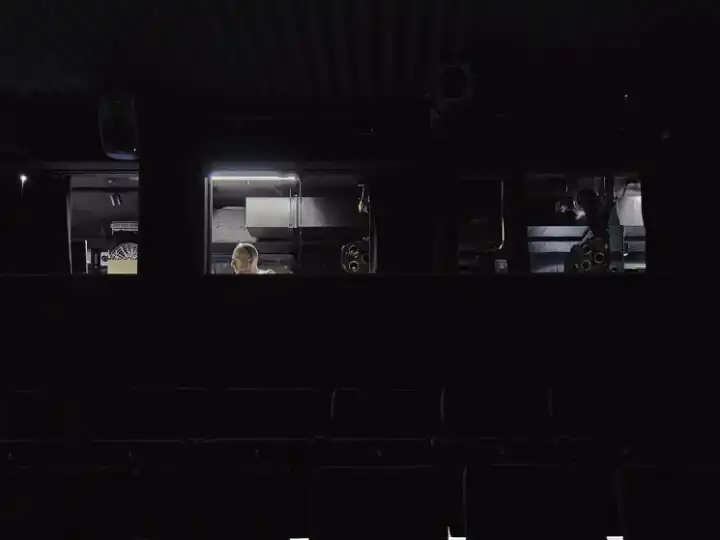
Lausanne’s Capitole cinema shines once again
Lausanne’s Capitole cinema has reopened after being renovated for the third time since it was built at the end of the 1920s. Switzerland’s largest movie theatre owes its longevity to its longtime owner, Lucienne Schnegg, who died at the age of 90 in 2015. An ardent cinephile from the Jura region, Schnegg was hired as the cinema’s secretary in 1949, before being appointed as its manager seven years later. When its former owner, Luxembourgian confectioner Matthias Köhn, died in 1981, he left the business to Schnegg but his children successfully challenged the bequest in court. Undeterred, Schnegg bought thelausannoisinstitution in 1996.The Capitole’s name in neon lights on the building’s exteriorAffectionately known as “la petite dame du Capitole” (“the little lady of the Capitole”), Schnegg ran the cinema for almost 60 years. She also worked there as a cashier, usherette and ice-cream seller. As the era of online streaming platforms took hold, she was determined to ensure that the Capitole would remain a dedicated movie theatre, rather than being redeveloped for other commercial purposes. That’s why, when she decided to sell the building in 2010, she made a deal with the city authorities to safeguard its future. The Cinémathèque Suisse, the national film archives, was brought in to manage the venture, with the mission of protecting works that are considered part of Switzerland’s film heritage, as well as the buildings in which they were shown.The renovation has been carried out by Montreux-based practice Architecum at a cost of CHF21.6m (€22.5m). “Today most of Lausanne’s 18 historic cinemas have been repurposed as bars or supermarkets,” says Marion Zahnd, one of the project’s lead architects, when Monocle meets her in the Capitole’s sumptuous foyer. “We had the opportunity not only to salvage the historic building but to restore it for its original purpose.”At first glance, beyond a 500 sq m extension, little seems to have changed. Many of the original art deco features, as well as those added during a smaller-scale renovation in 1959, have been painstakingly restored. But behind the scenes, the Capitole has received a significant upgrade. “We wanted to make the demands of modern technology work around the restored structure, rather than compromising the architecture,” says Zahnd, pointing to the state-of-the-art projection room above.Projection boothArchitecum has added an intimate subterranean screening room named after Schnegg that seats an audience of 144. This complements the original 731-seat auditorium whose vast theatrical structure has remained largely unchanged since its inception. The additional room will show the works of emerging film-makers and the main screen will focus on international blockbusters.Stairs to the newly excavated lower levelsBehind the scenesThe Capitole was originally designed by Swiss architect Charles Thévenaz and inaugurated in 1928, towards the tail end of the silent-film era. At the time, it featured a glitzy melange of gilded marble columns and pink-velvet sofas. Between the 1930s and 1940s, however, it developed into a more versatileciné-concertand conference venue, incorporating an orchestra pit, organ and dressing rooms. These features broadened the scope of the Capitole’s offering and the venue welcomed the likes of Russian ballet dancer Anna Pavlova and Geneva’s Orchestre de la Suisse Romande for performances. In 1946, Jean-Paul Sartre declared his existentialist manifesto inside the cinema’s packed auditorium. Then, in 1953, Switzerland’s first panoramic screen was installed here.In 1959, architect Gérald Pauchard was brought in to update the Capitole’s architecture, partly in a bid to lure audiences back to the big screen as domestic television sets soared in popularity. Pauchard made several significant decorative alterations: he emblazoned the cinema’s name in neon on the façade, for example, and introduced red upholstery, fabric-lined ochre walls and Murano-glass lighting fixtures.Fast-forward to the cinema’s third renovation, which began in 2021. Zahnd’s team restored the evocative art deco features with Schnegg in mind. Every intricate 1950s chandelier was painstakingly cleaned to eliminate ancient stains caused by cigarette smoke. When the panoramic screen was removed, Zahnd found a frayed sample of the original 1950s blue-grey carpet, allowing her to replicate its precise shade. The new corrugated-aluminium walls in the foyer imitate the folds of the velvet screen curtains that Pauchard installed in the grand auditorium.“We wanted to preserve the texture of the velvet as much as possible. Velvet is synonymous with the opulence of art deco cinema”The screening room, which was luxuriously lined with crimson velvet in 1959 to improve its acoustics, has been left untouched. “Removing it all would have spoilt its lustre, so we brought in a consortium of textile restorers to maintain the humidity of the auditorium during the works,” says Zahnd. “We wanted to preserve the texture as much as possible because velvet is synonymous with the opulence of art deco cinema. Heritage and art form had to cohabit.” A media library belonging to the Cinémathèque Suisse replaces what was once the building’s barbershop, while a specialist bookshop and a café-cum-bar have also been added.Vintage film postersUnderground foyerThe restoration, which draws deeply on Switzerland’s artistic, architectural and technical capabilities, is evidence that the country’s appetite for the silver screen remains healthy. “There has been a noticeable shift in the way in which we consume movies,” says Christophe Bolli, the Cinémathèque Suisse’s communications director. “But in this country we have also seen an increased demand for our heritage pictures, many of which are found exclusively in our film library.”Restored art deco auditoriumThough Schnegg passed away before she could witness the renewed splendour of her beloved picture house, the new screen honours both her name and her legacy as a champion of the art form’s timelessness and power to entertain. “The magnificence of the Capitole’s interior helps to re-establish Schnegg’s idea that a trip to the cinema should be a celebratory experience,” says Bolli. “I like to think that she would have been satisfied with the job that we have done here.”cinematheque.ch

Why the appeal of printed photographs is enduring through a digital age
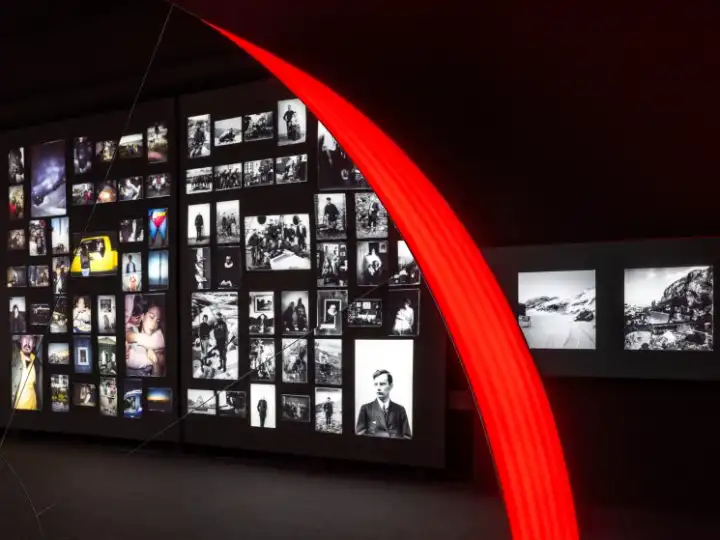
For the global photography market, 2023 was a record year in terms of sales volume. But there was a catch: the total value of those sales was $62.4m (€57.4m), marking a fall from 2022. Though the market is active, the sector’s buyers don’t necessarily have the deepest pockets. For many, photography offers an entry point to art collecting.In a world where we can take and view images with a tap of a finger on a smartphone, what does it say about the medium that we continue to collect and surround ourselves with photographs? What makes the snapshots that we choose for our walls special and how are they valued? And how does living with photographs change the way we experience a room?Over the following pages we explore the art of building a collection. We visit a Park Avenue auction, spotlight galleries across the globe and explore the history of the art form. We also enter the homes of some keen-eyed enthusiasts to take a peek at their extraordinary collections. They might inspire you to snap up a print or two of your own.At Monocle, we take the pursuit of a fantastic shot seriously. And sometimes, a good photo shouldn’t be confined to the page. — LAUCTIONS to watchNegative equityNew YorkSarah Krueger, head of photographs in New York, at PhillipsWithin seconds, Peter Hujar’s lifetime print, titled “David Wojnarowicz (Village Voice‘Heartsick: Fear and Loving in the Gay Community’)”, climbs in price from $26,000 (€24,000) to $70,000 (€64,700), before continuing upwards. The photograph takes just two minutes to be sold at a final price of $139,700 (€129,300). “It’s the only lifetime print of that image that we’ve seen,” says Sarah Krueger, Phillips’ head of photographs in New York, who is the auctioneer when monocle attends the Park Avenue event. (A “lifetime print” is one that’s produced while the photographer is still alive.)Until the Hujar print, the mood in the auction room has been relatively calm, with a small group of seated bidders and others dropping by for certain lots. Every now and then, someone will gently raise their paddle. One man in the second row bids by lifting his finger with the slightest of movements. Blink and you’d miss it. “He’s a collector who I’ve been dealing with for decades,” says Christopher Mahoney, senior international specialist, photographs, at Phillips. “I remember seeing him in the 1990s. He’s a real auction pro.”That was back when the sale rooms were full and frantic, sometimes brimming with more than 100 people. Nowadays, though the auction is still held in a physical space, most of the action takes place by phone or through the online platform, which people log into from around the world. “The technology has become so good and accessibility has expanded so much,” says Mahoney.Whether attending in person or engaging down the line, thousands of bidders from more than 40 countries have turned out for the slew of famous photos under the hammer, including Wolfgang Tillmans’ “Paper Drop Novo”, Cindy Sherman’s “Untitled Film Still #18” and Alfred Stieglitz’s “From the Back Window – 291 – Snow Covered Tree, Back-Yard”, which sells for $304,800 (€282,330).The price that a photograph achieves at auction is the result of several factors: the condition and size of the print, how many were made, how often one becomes available and how long after the negative date the work was printed. “While there are innumerable variables for our valuations, rarity and condition can be the biggest drivers,” says Krueger. Though the most common prints that she sees at auction are gelatin silver, chromogenic and pigment, many contemporary artists use traditional processes such as the 19th-century daguerreotypes.How quickly something sells depends, of course, on how decisive the bidders are. “It’s from 40 seconds to a minute when people have to make decisions,” says Krueger.Making a callLong-time collector Louis Berrick, who loves the work of William Klein, recommends going in with a plan and a sum in mind. He is less concerned with rarity and appreciates how accessible the art form can be. “If there are 40 photographs that were made and signed by the artist, that’s great,” he says. “It’s a very democratic art form.”Like most collectors, he’ll peruse the catalogue beforehand and take note of a few pieces. But he mostly chooses what to bid on through impulse. “I decide in the moment,” says Berrick. He’s glad that the online platform allows more bidders to take part but says there’s nothing like being in the room. Before the auction, Berrick will view the collection in person, sometimes asking if he can see the photographs outside the frame. “You’ll go there and realise a photograph isn’t so big. Or you’ll see something different in the picture. It changes your experience.” Mahoney also encourages collectors to engage with the collections if they can.In the auction room itself, there’s one piece of advice that everyone will tell you: unless you’re bidding, keep your hands firmly in your lap. Lifting a finger can come at a high price.The top-selling prints at Phillips’ New York photography auction on 9 October 2024Peter HujarDavid Wojnarowicz (Village Voice “Heartsick: Fear and Loving in the Gay Community”), 1983.Gelatin silver print.10⅛ inches 3 10 inches (25.7cm 3 25.4cm).Printed by the artist, with the estate’s copyright-credit reproduction limitation stamps. Signed, titled and dated by Stephen Koch, executor of the Hujar estate, in pencil.estimate: Up to $50,000 (€46,250).sold for: $139,700 (€129,300)Cindy ShermanUntitled Film Still #18, 1978.Gelatin silver print.7⅝ inches 3 9½ inches (19.4cm 3 24.1cm).Signed, dated and numbered 5/10 in pencil on the verso.estimate: $80,000 (€74,100) to $120,000 (€111,150).sold for: $101,600 (€94,110)Francesca WoodmanSelf Portrait (with Bird), 1976-78.Unique oversized gelatin silver print with applied paint and pigment.49¾ inches 3 35½ inches (126.4cm 3 90.2cm).with frame: 58⅜ inches 3 43⅛ inches (148.3cm 3 109.5cm).estimate: $150,000 (€139,000) to $250,000 (€231,570).sold for: $190,500 (€176,450)Tina ModottiTelegraph Wires, circa 1925.Platinum print.9⅜ inches 3 7⅛ inches (23.8cm 3 18.1cm).Former owner Vittorio Vidali’s “Commissar of the Fifth Regiment” stamp, a typed caption label and reduction notations in an unidentified hand in pencil on the verso.estimate: $150,000 (€139,000) to $250,000 (€231,570).sold for: $177,800 (€164,840)Alfred StieglitzFrom the Back Window – 291 – Snow Covered Tree, Back-Yard, 1915.Platinum print.95/8 inches 3 75/8 inches (24.4cm 3 19.4cm).estimate: $250,000 (€231,570) to $350,000 (€324,190).sold for: $304,800 (€282,330)Into the academyThough photography has been recognised as an art form by connoisseurs since the late 19th century, the medium took a little longer to gain wider recognition. Here, we trace its journey into the highest echelons of the art world.1940Beaumont Newhall becomes the first photography curator of Moma in New York and starts acquiring works and curating pivotal exhibitions.1971The Photographers Gallery opens in London as the first UK public institution to exhibit the medium.1972Sotheby’s London is the first international auction house to hold a regular standalone photographs auction. Its New York outpost followed suit in 1975.1978Richard Avedon becomes the first living photographer to have a retrospective at New York’s Metropolitan Museum of Art, legitimising fashion photography as a genre.1980The Association of International Photography Art Dealers holds its first annual fair in New York.1981Howard Greenberg opens his New York gallery exhibiting and selling primarily photojournalism and street photography, which have become pillars of the market.1990sThe number of photography galleries and dealers in North America and Europe grows. The focus in the markets is New York, Paris and London.1997Paris Photo – now the world’s largest and most esteemed international photography fair – is held for the first time.2008Christie’s holds the first single-owner auction of photographs from the Leon Constantiner Collection, bringing in more than $7m (€6.5m).2009The Tate in London appoints its first photography curator, Simon Baker, who forms the museum’s first Photography Acquisition Committee.2011At Christie’s New York, Gursky’s “Rhine II” sets a record as the most expensive photo ever sold, at $4.3m (€4m).2019The Rencontres d’Arles photography festival hosts its 50th birthday. Attendees include Swiss arts patron Maja Hoffman, whose Luma Foundation is completed with the Frank Gehry tower in Arles in 2021.2022Man Ray’s “Le Violon d’Ingres” smashes its pre-sale auction estimate of up to $7m (€6.5m), becoming the most expensive photograph ever sold at $12.4m (€11.5m).2024London’s v&a hosts Fragile Beauty: Photographs from the Sir Elton John and David Furnish Collection, collected over 30 years.May 2025Photo London will celebrate its 10th anniversary, cementing the city’s place as a centre for photography collecting and expertise.

Embarking on an Economical Journey: Maximizing Experience on a Shoestring
Embarking on a journey doesn't necessitate a lavish expenditure. With careful planning and strategic decisions, it's entirely feasible to delve into uncharted territories without depleting your finances. Strategic Budget Travel Advice: Off-Peak Traveling: Steer clear of the high season to economize on airfare, lodging, and activities. Opt for Public Transit: Choose public transportation over taxis or renting a car to navigate your destination. Plan Ahead: Lock in better rates on flights and accommodations by making reservations far in advance. Affordable Lodging Options: Youth Hostels: Ideal for the sociable traveler, hostels provide cost-effective lodging and an opportunity to connect with other globetrotters. Home Rentals: Consider an Airbnb rental for a more budget-friendly alternative to high-end hotels. Couchsurfing: For the thriftiest of travelers, Couchsurfing offers free stays with local hosts. Final Thoughts: Budget travel demands thoughtful preparation, but it shouldn't curtail the richness of your journey. Armed with the right strategies, you can fully enjoy your adventures without incurring excessive costs.
The Ultimate Guide to Sustainable Tourism
Sustainability in travel is more than just a buzzword. With tourism accounting for a significant portion of global carbon emissions, sustainable tourism is becoming a critical focus for responsible travelers. Here’s how you can enjoy the wonders of the world while minimizing your environmental impact. What Is Sustainable Tourism? Sustainable tourism involves making a conscious effort to reduce the negative environmental, social, and economic effects of tourism. It’s about leaving a destination in a better state than when you arrived and contributing to its long-term prosperity. Key Principles of Sustainable Tourism: Respect Local Cultures and Traditions: Always be mindful of the local customs, history, and ways of life. Minimize Your Carbon Footprint: Choose eco-friendly transport options, like trains or buses, over flights when possible. Support Local Economies: Opt for locally-owned businesses, restaurants, and accommodations to ensure your money benefits the community. Sustainable Travel Tips: Stay in Eco-friendly Accommodations: Look for hotels and guesthouses that use renewable energy, recycle, and practice water conservation. Choose Off-Season Travel: Traveling in the off-season helps reduce overcrowding and minimizes the environmental strain of tourism. Participate in Conservation Efforts: Join local initiatives to preserve nature, whether it’s through wildlife conservation programs or beach cleanups. Conclusion: Sustainable tourism is the future of travel. By being more mindful of the destinations you visit and how you travel, you can ensure that future generations can enjoy the same incredible experiences that you do.

How Canadian art patron Bruce Bailey is uplifting next-generation talents
Bruce Bailey cuts a striking figure in front of the Chiesa di San Samuele on the opening day of his new exhibition,Beati pacifici: The Disasters of War and the Hope for International Peace,which runs at the same time as this year’s Venice Biennale. Wearing a red suit and vintage Saint Laurent silver loafers, the Toronto-based collector and philanthropist is unafraid to stand out. Though his attire is conspicuous, Bailey has been quietly working to support the Canadian cultural scene and revive the lost practice of the art salon over the past few decades. The 200 works inside the church are from Bailey’s personal collection, which is usually housed in Ontario, and are illustrative of his wide-ranging taste. The exhibition’s focus on war art was not only intended to document the dark side of human nature. “I want to show that we must take the responsibility to stand up to evil and oppression,” says Bailey. The curation begins with a series of chilling 17th-century etchings by Jacques Callot based on the Thirty Years’ War. “There weren’t any war correspondents in those days,” he adds. “Callot went to the source to depict brutality. He also wrote text below his works, so they’re almost like early versions of comic books.”From here, Bailey’s selection travels forward in time, passing by some of the greatest envoys armed with paint and a brush, including Francisco Goya and Otto Dix. Visitors are then brought up to the present with Peter Doig’s depiction of Toronto’s famous Rainbow Tunnel and a work by Tyler Bright Hilton, a Canadian artist who Bailey has been supporting. Art didn’t feature in Bailey’s upbringing. His life changed when he went on a school trip to Europe as a teenager. “I was transfixed when I saw Théodore Géricault’s ‘The Raft of the Medusa’ at the Louvre,” says Bailey. “I didn’t see any other artwork that day.” It was not until he was studying to become a lawyer at university that a small scholarship enabled him to make his first foray into collecting. “I bought three prints by Eric Fischl, Michael Snow and Christopher Pratt for a total of CA$5,000,” he says. “I framed them and put them in my student house. I felt terribly sophisticated.” During his subsequent careers as a lawyer and an investment banker, Bailey was able to add to his collection. It now includes everything from sculpture and film to photography and painting. Ever since his first purchase, however, he has maintained a particular fondness for prints and their collectors. “I find that print buyers are more passionate than other people at art fairs, who are often only there in order to buy trophy pieces by established names.”Bailey believes that it is important for all budding collectors to look at as much art as possible. “I poke my head into contemporary art galleries no matter where I am in the world,” he says. “For me, the process is not to listen with my ears but to look with my eyes and my heart.” He tries to make decisions about a piece before learning about the artist. By acting on this impulse and buying from artists’ first shows, Bailey was able to become an early collector of work by Thomas Demand, Kiki Smith and Marlene Dumas. “It wasn’t that I was smarter than anyone else,” he says. “I could only afford to buy from artists before they became more well-known and, thankfully, I was able to do this before the game changed.” Bailey laments the recent rise in intermediaries who create a distance between the buyer and an artwork. These frustrations led Bailey to invest more time into his philanthropic endeavours, including the financial support of the Montréal Museum of Fine Arts and creation of his own arts incubator. The programme champions lesser-known Canadian artists by giving them their first show and pushing them to receive commercial gallery representation. Bailey credits this work with helping to launch the career of Canadian First Nations painter and performance artist Kent Monkman.Bailey also believes in the power of art to forge connections and aid dialogue between nations. In 2011, the National Gallery of Canada became the official commissioner of the country’s pavilion in Venice. “This shows that the state uses art and music as forms of diplomacy,” he says. While his collection might have started as a group of artworks that captured his imagination, it has evolved to become a gathering point for the community. His art-salon summer garden parties, orfêtes champêtres, aim to build bridges between English- and French-speaking parts of Canada through a shared experience of culture and nature. “It’s a neutral ground where people can enter into conversation and discuss their personal history,” he says. These interactions help assuage Bailey’s worries about his legacy and the as-yet-unknown future destination of his art. He is reassured by how the collection has brought people together in Canada – and elsewhere in the world. “We all want to seek meaning in our lives,” he says. “Being a collector is not only a question of accumulating art but also how you can then use it to create a better society.” In a similar vein, Bailey believes that you can give people who you pass on the street a “visual treat” by way of a thoughtful or surprising outfit. With his opening dinner at the Venice Biennale approaching, Bailey gets up to return to his hotel. He has, of course, a dramatic costume change to make.‘Beati pacifici: The Disasters ofWar and the Hope for International Peace’ runs at Chiesa di San Samuele in Venice until 29 September.
Discovering the World Responsibly: A Comprehensive Guide to Eco-Friendly Travel
Sustainable travel is not just a passing trend; it's a commitment to preserving our planet. As tourism contributes substantially to global carbon emissions, it's imperative for travelers to embrace sustainable practices. Here's how you can explore the globe while reducing your ecological footprint. Understanding Sustainable Tourism Sustainable tourism is about deliberately lessening the adverse impacts of travel on the environment, society, and economy. It's about enhancing the places you visit and ensuring their prosperity for years to come. Core Principles of Sustainable Tourism: Honor Local Heritage: Always respect the local customs, heritage, and lifestyle. Reduce Environmental Impact: Opt for green travel modes, such as trains or buses, instead of air travel when feasible. Boost Local Economies: Support local businesses, eateries, and lodgings to directly contribute to community welfare. Eco-Conscious Travel Advice: Select Green Lodgings: Seek out accommodations that prioritize renewable energy, recycling, and water conservation. Travel in the Off-Peak Season: Off-peak travel alleviates overcrowding and lightens the environmental toll of tourism. Engage in Preservation Activities: Participate in local efforts to protect the environment, from wildlife protection to coastal cleanups. Final Thoughts: Sustainable tourism is the wave of the future. By being conscientious about your travel choices and the impact they have, you're ensuring that the natural and cultural wonders of our world will be available for future explorers to enjoy as you have.

British singer-songwriter Jacob Collier on defying the boundaries of genre
Jacob Collier springs through an assault course of cameras, lights, speakers and a dragnet of cables to alight at the grand piano, jolting it into life with the strutting chords of “Wherever I Go”, a choice cut from his new record. The photographer snaps away, sensing an instant win, as Collier drops his quiff to the keys and allows the riff to dissolve into some romantic Ravel, some dramatic Debussy – like a slight Liberace, pantomiming emotion, just for fun, in his trademark technicolour clobber.It’s a press day for the release ofDjesse Vol. 4, the latest in a run of albums, each an exquisite exercise in the young Londoner’s voyage through genres of pop music and beyond: self-written and self-produced but bedecked with dream duets and star collaborators. So do you just text Chris Martin or John Legend? “Oh, well, everyone’s busy,” says Collier with a chuckle. “Some are my friends, or became friends making these records. But I really seek to learn and want to jam with people who light me up.”Thinking of Collier’s journey through the music world – often seen as loaded with more booby-traps and snake pits than an Indiana Jones adventure – calls to mind, say, a line of cartoon dynamite fizzing inexorably towards a comedy explosion that spells “genius”. Collier, not yet 30 years old, has won six Grammys and, at this year’s ceremony, played with Joni Mitchell in a celebration of the great Canadian artist’s 80th birthday. Collier has also worked with singers such as Shawn Mendes, John Mayer and Oumou Sangaré, film tsar Hans Zimmer and music’s Zeus, Quincy Jones.The CV1994: Born in London2004-2010: Singing in works from Mozart to Benjamin Britten while attending Mill Hill County High School2011: Begins releasing Youtube videos of songs such as Stevie Wonder’s “Isn’t She Lovely” that feature Collier’s trademark virtuosity2016: Releases debut album “In My Room”, almost entirely composed and played by Collier2017: Wins the first of six Grammy Awards2018: Releases Djesse Vol. 1, featuring Laura Mvula and Hamid El Kasri2024: Accompanies Joni Mitchell on “Both Sides Now” at the 66th Grammy Awards and releases Djesse Vol. 4Of course, people want to search for the source of such prodigious talent. “My earliest memory is sitting on my mother’s lap, looking up and seeing the violin above me being played,” says Collier. His mother, Suzie, is a violinist, conductor and teacher, and, naturally, took her micro-Mozart to concerts as she brought up her three children. “I was probably about two years old when I’d watch my mother conduct. That feeling of someone jumping off the ground and raising their arms – and then the music would begin. Part of it is about process, accuracy, dictation, yes, but you’re also throwing around permission, joy, questions and answers,” adds Collier, conducting his own memories with sweeping hands.Collier is kinetic when he talks music. He won’t be drawn on genre (“I hadn’t really heard of genre until I was 16”) or musical terminology. Instead, Collier talks in colours, textures, weights, materials. “Yeah, I love telling an orchestra that it needs a bit morewool.” He also loves playing live – surely a good way of keeping such an insatiable musical mind limber. He’ll break off a number to improvise a piano solo or guitar riff and is now famous for his “audience choirs”, in which tens of thousands of fans, after being divided into musical parts, will provide gigantic, self-affirming choruses to the songs that they love. At least 77 dates, stretching from São Paulo to Seoul, await on Collier’s current monster world tour. No wonder he likes someone else to do the singing now and again.So how do you make a record with artists as musically diverse as your highly classically trained mum, with her arpeggios and descending minor sevenths, and the groundbreaking grime artist Stormzy? “Well, it depends,” says Collier with a shrug. “But really, as you know, they’re both legends.” Just like that. A world of grand pianos, and more Grammys, surely awaits.
Setting Out on the Ultimate Journey by Car
Hitting the open road is a timeless travel experience, offering the liberty to explore and the excitement of discovering new places at your own pace. To make your upcoming road trip a memorable one, follow these guidelines for an extraordinary adventure. Key Steps for Planning the Ultimate Road Trip: Choose Your Route: Decide if you want to travel a famous scenic byway, like the Pacific Coast Highway, or if you prefer to explore less-traveled paths. Gather Your Supplies: Make sure you have all the necessities, including food, water, first aid kits, and entertainment for the extended journeys. Plan Your Breaks: To keep spirits high and maintain interest, include regular stops at beautiful locations, quirky roadside attractions, or national parks. Boosting Your Road Trip Experience: Create a Playlist: A carefully selected collection of music can enhance the ambiance of your trip, so put together a playlist that captures the spirit of your journey. Keep a Travel Diary: Chronicle your adventures, insights, and the stunning views you come across through a written travel diary. Closing Remarks: The true magic of a road trip is found in the journey, not just the destination. With careful planning and a sense of adventure, you can create a road trip that will become a treasured memory for years to come.

How to Travel on a Budget Without Sacrificing Experience
Traveling on a budget doesn’t mean you have to sacrifice quality experiences. With a little planning and smart choices, it’s possible to explore new destinations without breaking the bank. Smart Tips for Budget Travel: Travel Off-Peak: Avoid peak seasons to save on flights, accommodations, and activities. Use Public Transport: Rather than taxis or car rentals, use buses, trains, or metro systems to get around. Book in Advance: Secure lower prices on flights and hotels by booking well ahead of your trip. Budget-Friendly Accommodation: Hostels: For the social traveler, hostels offer affordable options and a chance to meet fellow adventurers. Airbnb: Rent a local apartment instead of staying at pricey hotels. Couchsurfing: For the ultimate budget traveler, Couchsurfing lets you stay with locals for free. Conclusion: Traveling on a budget requires smart planning, but it doesn’t have to limit your experience. With the right approach, you can make the most of your travels without overspending.
Embarking on the Ultimate Car Adventure
Embarking on a road trip is a classic way to travel, granting the freedom to wander and the thrill of uncovering fresh destinations at your leisure. To ensure your next journey by car is unforgettable, consider these tips for an extraordinary experience. Essential Steps for Crafting the Perfect Road Trip: Select Your Path: Make a decision on whether you wish to traverse a well-known scenic route, such as the Pacific Coast Highway, or if you'd rather embark on a more secluded journey. Prepare Your Gear: Ensure you are equipped with all the essentials, including provisions, hydration, medical supplies, and entertainment for the longer drives. Schedule Your Pit Stops: To keep morale up and engagement high, plan intermittent breaks at picturesque spots, unique roadside curiosities, or national parks. Enhancing Your Journey: Craft a Soundtrack: A well-curated selection of tunes can elevate the mood of your travels, so compile a soundtrack that resonates with the essence of your voyage. Maintain a Log: Document your escapades, reflections, and the breathtaking vistas you encounter through a written record of your travels. Final Thoughts: The essence of a road trip lies in the voyage itself, not just the end point. With meticulous planning and a zest for exploration, you can craft a road trip that will become an enduring memory for a lifetime.
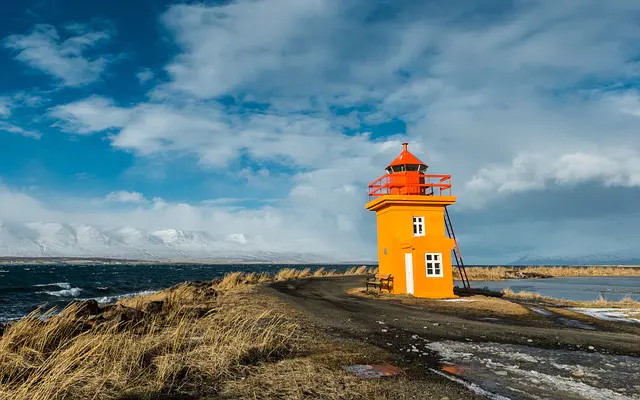
Unveiling the Wonders of Iceland: Your Ultimate Travel Companion to the Realm of Ice and Lava
Iceland stands unparalleled as a travel destination, famed for its striking volcanic terrains, majestic glaciers, and steaming geothermal pools. Adventure-seekers will find a plethora of one-of-a-kind activities, from glacier treks to soaking in the Blue Lagoon and witnessing the ethereal Northern Lights. Must-See Attractions in Iceland: The Golden Circle Route: This renowned path leads to iconic locations such as the Geysir Geothermal Area, the Gullfoss Waterfall, and the Þingvellir National Park, offering a unique chance to stand at the rift between two tectonic plates. The Blue Lagoon: A sanctuary for relaxation, this geothermal spa is situated near Reykjavik. Its soothing, mineral-enriched waters are reputed for their therapeutic effects. Jökulsárlón Glacier Lagoon: This breathtaking glacial lake is adorned with drifting ice bergs and is a haven for photographers. Nearby, the Diamond Beach awaits, where ice gems glisten on the shore. Distinctive Experiences in Iceland: Pursuing the Northern Lights: Between September and March, Iceland is an optimal spot to view the Aurora Borealis. Guided tours are available to experience this awe-inspiring celestial event. Exploring Caves and Lava Tubes: Iceland boasts numerous volcanic caves and lava tubes, such as the Vatnshellir Cave, where you can embark on a guided journey into the subterranean realm. Trekking in Landmannalaugar: Located within the Fjallabak Nature Reserve, this region is celebrated for its vibrant peaks, geothermal springs, and hiking trails, making it an ideal destination for those in pursuit of thrilling adventures and picturesque vistas. Travel Insights for Iceland: Opt for a 4x4 Vehicle: Iceland's terrain can be challenging, particularly in winter. A 4x4 vehicle ensures safe and efficient travel. Prepare for Varied Weather: Expect the unexpected when it comes to Iceland's climate. Pack versatile layers, weather-resistant clothing, and reliable hiking footwear, regardless of the time of year. Cherish the Environment: The pristine beauty of Iceland is delicate. Always adhere to marked trails and respect local conservation guidelines. Conclusion: Iceland, a land of contrasts, boasts surreal landscapes that render it one of the most extraordinary travel destinations globally. Whether you're an outdoor aficionado or a cultural explorer, Iceland promises an unforgettable journey.
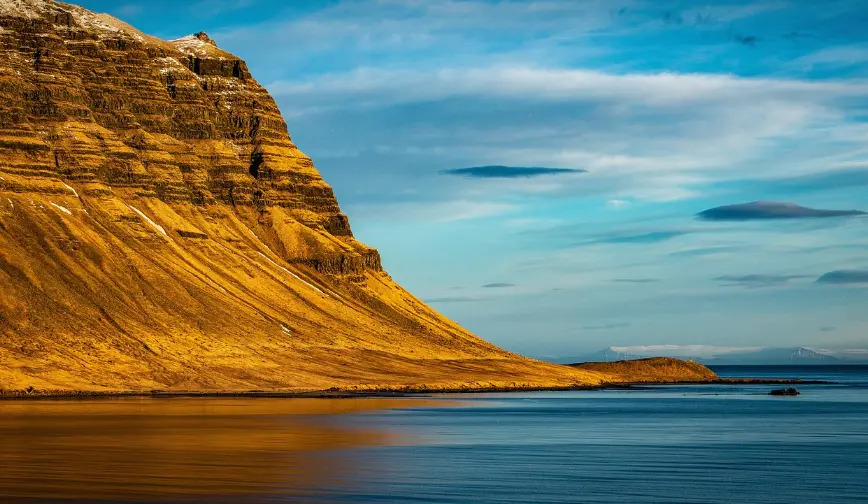
Discovering Iceland's Majestic Scenery: Your 7-Day Adventure Plan
Iceland, a realm of stark contrasts and breathtaking vistas, beckons to those who yearn for the extraordinary. Embark on an adventure that encompasses glaciers, volcanoes, geothermal pools, and cascading waterfalls. This 7-day itinerary is your guide to the most spectacular offerings of this Nordic gem. Day 1: Welcoming Reykjavik Embark on your Icelandic adventure by immersing yourself in Reykjavik, the nation's bustling capital. Ascend to the top of Hallgrímskirkja Church for a bird's-eye view of the cityscape, and wander down Laugavegur Street to soak up the local flavor in shops and cafes. The architectural marvel of Harpa Concert Hall should not be missed. Day 2: The Legendary Golden Circle Embark on a journey through the Golden Circle, a trio of iconic attractions: Þingvellir National Park, a UNESCO World Heritage Site, the steaming Geysir Hot Springs, and the majestic Gullfoss Waterfall. Day 3: South Coast and the Waterfall Route Venture along the south coast of Iceland, where waterfalls like Seljalandsfoss and Skogafoss await. Experience the thrill of walking behind Seljalandsfoss, and be sure to stop at the dramatic black sand beaches of Reynisfjara near Vik. Day 4: Jökulsárlón Glacier Lagoon and Diamond Beach Make your way to the Jökulsárlón Glacier Lagoon, where you'll find icebergs gracefully floating on the tranquil waters. Just a stone's throw away, witness the surreal beauty of Diamond Beach, where ice chunks rest on the stark black sands. Day 5-6: Vatnajökull National Park Expedition Dedicate two days to exploring Vatnajökull National Park, home to the continent's largest ice cap. Join a guided glacier trek or, if the season permits, delve into the mysterious ice caves. Day 7: The Blue Lagoon and Farewell Conclude your Icelandic escapade with a soothing soak in the Blue Lagoon, a geothermal spa renowned for its therapeutic waters. It's the ideal finale before your journey back to the mundane world. Iceland Travel Essentials: 4x4 Vehicle Rental: Iceland's unpredictable weather and rugged terrain necessitate a 4x4 for reaching remote areas. Versatile Wardrobe: Be prepared for weather that can turn on a dime. Layer up, pack waterproofs, and wear reliable hiking footwear. Pre-booking Activities: High-demand activities like glacier hikes and Northern Lights tours fill up fast, so secure your spots ahead of time. Conclusion: Iceland, a land of unparalleled natural splendor, promises an unforgettable journey. This 7-day plan ensures you'll experience its most iconic sites and the awe-inspiring vistas that make this island a true haven for the adventurous spirit.

Spend the night: How Tallinn kept the party going through economic crisis
Natalie Mets knew that it was only a matter of time before she became a politician. But in the end it happened “accidentally”, she says. For more than a decade, she worked in culture and music management in and around Tallinn. Mets had spoken for years about how the Estonian capital needed its own night mayor; the local government, she believed, was indifferent to the city’s nightlife and didn’t appreciate its economic and cultural benefits. Then one evening, during Tallinn Music Week, a festival-cum-industry-fair, she ended up at a party with the country’s former president Toomas Hendrik Ilves. They were still talking when the hosts had gone to bed. “He was really eagerly saying that I had to join the Social Democratic Party,” says Mets. So she did. And when the party entered Tallinn’s local government coalition in 2021, she was appointed to her dream job.Tallinn is relatively small, with a population of less than 500,000, but it punches above its weight when it comes to nightlife. Hall, its flagship techno club, hosts not only local DJs but the best from around the world, including many who usually play at Berlin behemoths Berghain and Tresor. The likes of German DJ Marcel Dettmann and Detroit collective Underground Resistance are attracted to Hall, founder Elena Natale explains, because it’s one of the few places left in the world with an authentically “diy” ethos. Tallinn’s size has encouraged the formation of a friendly, tight-knit scene. “Whenever you go into a nightlife place, it’s only a matter of minutes before you meet the owner,” Mets tells Monocle. “It all just feels like an afterparty at someone’s apartment.” (An afterparty where you might meet a former president.) “It feels like a city where you can know your neighbours,” says Jirí Mališ, a Czech transplant who moved to Tallinn in 2020 and is now assistant manager at speakeasy-style bar Whisper Sister.Paavli Kultuurivabrik founder Roman DemtšenkoNighttime advisor Natalie MetsThe city’s nightlife – more intimate than in western European club hotspots such as Berlin and Amsterdam, and still cheaper – is attractive to foreigners too, whether they’re long-term expats or simply tourists in town for a long weekend of dancing. Tallinn is well served by its airport, which flies direct to more than 50 destinations. And currently under construction is Rail Baltica, a high-speed rail line linking the Baltic states of Estonia, Latvia and Lithuania with Poland. Due to partially open in 2028, it will invigorate travel to and from the Baltics – and allow potential clubbers from abroad to get home without having to lug their sore heads and aching limbs through airport security.Mets’ appointment came as Tallinn faced a challenge: how to keep world-class nightlife going through tough economic times. Between 2011 and 2021, Tallinn’s population grew by 11.3 per cent. The city led Estonia’s tech-fuelled economic miracle – the country is now home to more billion-dollar technology “unicorns” per capita than any other European nation. The branding of one of them, the ride-sharing firm Bolt, adorns the sides of many of the cars roaming the capital. This all helped Estonian real incomes to grow by 44.8 per cent, the third-highest level in the oecd, from 2007 to 2021. Tallinn became a destination for young go-getters from the rest of Estonia and beyond – in 2020 the country even introduced a digital nomad visa, allowing anyone in the world who earns more than a certain amount a month (currently €4,500) to live and work remotely there for up to a year. All those go-getters wanted places to party. Nightlife figures talk of a golden era beginning around 2015. Roman Demtšenko, a veteran live-music promoter, says that those years heralded “a revolution in the cultural scene”. Natale, who set up Hall in 2017, says that the city’s start-up mentality “was very good for us”.But the years since the pandemic have been trickier. Estonia’s geographical position and its dependence on food and fuel imports mean that it was badly affected by the economic shockwaves from Russian’s full-scale invasion of Ukraine. Inflation hit 19.5 per cent in 2022, while the recession that started the same year isn’t forecast to end until 2025. Many nightlife venues haven’t survived this rocky period. Sveta, a much-loved club co-owned by Demtšenko, shut at the end of last year, in part due to financial pressures. It has been “one crisis after the other”, says Natale. The city is hardly unique in this regard: night-time economies around the world have been badly hit by the pandemic and more recent cost-of-living pressures.Nearly three years since her appointment, Mets’ work on precisely this issue has attracted the attention of Urbact, an EU-funded urbanism institution, which included Tallinn in a recent survey of the bloc’s nighttime economies. The city is “a great laboratory for innovation”, says Simone d’Antonio, the study’s author. “It is doing a lot of things that can set an example, not only for the other Baltic capitals but also for other medium-sized cities in Europe.” Mets spent her first six months in office “explaining [within] the city government itself why [her] position is needed” – in 2022, for example, Tallinn’s nightlife-related sectors employed 14,792 people and generated a taxable turnover of €738m. One early priority was a fund offering grants of up to €30,000 a year to live-music venues. Tallinn also used to be the only EU capital without any public transport running through the night but, after a successful 2023 pilot scheme, it now has a network of weekend night buses. In the spring sunshine, the Estonian capital is picturesque, even sleepy. Modern buildings are broken up by streets of traditional wooden houses that give some neighbourhoods a rural feel. Tourists sit in the cobbled streets of the medieval Old Town nursing tall, gleaming glasses of lager. But the city stirs to life when the sun goes down, especially in its northern quarter. Telliskivi Creative City, just northeast of the Old Town, has led the way: since 2007 a cluster of nightlife and cultural destinations has been built up in a complex of former industrial buildings.At Fono, a cosy bar in the area, Monocle meets Mark and Villiam, two 27-year-old native Tallinners. Mark, a software engineer at payments company Wise, says that the spot “is as fresh as you can get”: in May, Fono opened a dance floor, Fonoteek, in the adjoining space. Further north is Paavli Kultuurivabrik (“culture factory”), a venue set up in June 2023 by Demtšenko. It has already been admitted to Liveurope, an EU-backed association of 24 of the continent’s best concert venues. For Demtšenko, economic issues were an opportunity as well as a challenge: Paavli Kultuurivabrik occupies a former fish cannery, which he snapped up on a 10-year contract after the previous tenant, a firm that exported to Ukraine and Russia, went bankrupt after the 2022 invasion. Since then the site has hosted everything from Swedish punk to poetry readings.On the dance floor at FonoteeDJ keeping the crowd movingCrowd at Hall clubWhen Monocle visits Paavli Kultuurivabrik’s outdoor space – a riot of flowering trees and red-and-yellow tulips – Demtšenko gestures over the fence at the building projects that surround the venue on almost every side. Northern Tallinn is following the classic development arc: first the cultural venues move in, attracted by cheap rents, then come residential blocks. Hall occupies a hulking industrial building that used to serve as a clubhouse for dock workers next to Port Noblessner on the Gulf of Tallinn, where the city meets the Baltic Sea. Since the club opened, the port has filled up with smart modern apartments.Mets is currently working on measures to stop venues being shut down when residents of newly built apartments complain about noise. Not that the relationship between development and cutting-edge culture is always negative. Ivo Arro, an architect in the city government’s spatial planning and design department, points out that the developers near Hall used the area’s cultural amenities as a selling point. “Estonian people, their taste has evolved,” he says. “They’ve travelled more, seen the world more – new generations, they have different ideas of what they want in the city.”Interior of Paavli KultuurivabrikTallinn’s nightlife also has a unique political dimension. Owing to the country formerly being part of the Russian empire and the Soviet Union, about a third of the city’s population is ethnically Russian. If you clamber into a Bolt, there’s a good chance that the driver will have their app set up in Cyrillic. These Russian-speakers tend to live parallel lives to the Estonian majority; most don’t even speak Estonian. But club culture can transcend the language barrier. Mets recently wrote a master’s thesis on the topic; her research found that nightlife “is perhaps one of the best ways to integrate Russian- and Estonian-speaking youth”. Demtšenko knows this first-hand: he is ethnically Russian and became fluent in Estonian only when he started getting involved in Tallinn’s music scene. The government throws “shitloads of money” at integration, he says, but nothing is as effective as people hanging out and bonding over music.Giving temporary visitors a similarly warm welcome is one way Tallinn’s nightlife scene plans to ride out the current economic winter. Mets wants the city to become a destination for “high-quality tourists” who’ll party at the weekend but also go to museums and restaurants. Hall is diversifying its programme beyond weekend club nights by hosting concerts by the likes of the Estonian Symphony Orchestra and opening a restaurant to the public. “The way you survive is to offer a space for everything,” says Micaela Saraceno, Natale’s daughter, who DJs at the club.On the Friday night when Monocle is in town, Hall’s main room is filled with thumping techno and strobe lights. The following afternoon is a touch more relaxed: the team are setting up tables for a staff dinner on the leafy terrace, which doubles as the smoking area. Someone’s dog and someone’s toddler gambol about as trays of freshly baked focaccia are produced. It might not be typical Baltic fare but Natale is half-Italian, so good food is non-negotiable. Among those helping are Micaela and her sister, Alessia, a duty manager at Hall. The club is a family business. “It’s all very logical and natural.” Natale, who presides over Hall’s literal and metaphorical family as an affable matriarch, has even started to see the children of regulars coming to nights. “It’s a village here,” she says. “A dancing village.”Europe’s nightlife hotspotsBraga:Portugal’s third-largest city has seen its tourism business increase fivefold over the past decade. Since being named European Youth Capital in 2012, it has invested in venues that stay open into the night. A 24-hour nursery serving university and hospital employees provides for the night economy’s prosaic needs.Málaga:The southern Spanish city recently banned the sale and consumption of alcohol in public spaces between 22.00 and 08.00, drawing people back into bars and discouraging irresponsible drinking. Since 2019 the city has organised activities between 22.00 and 02.30 on Fridays and Saturdays for local youth, including museum visits.Paris:The French capital boasts more than 15,000 bars and restaurants, and more than 600 venues that stay open later than 02.00. Since 2014 its nightlife has been managed by a municipal night council, whose policies have included clamping down on non-reusable plastics in venues and campaigning for better understanding of sexual consent at clubs and festivals.
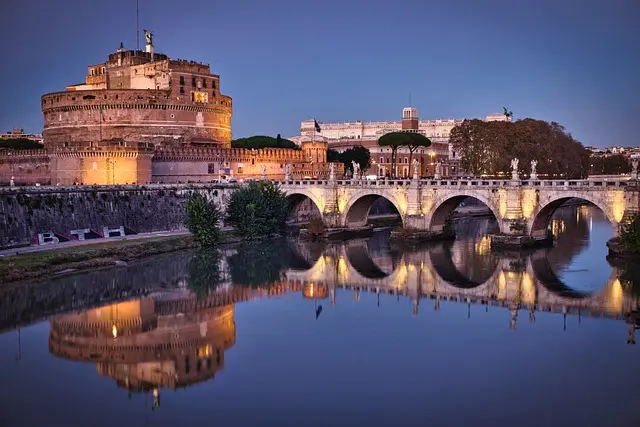
Exploring Italy: A Comprehensive Travel Guide from Rome to the Amalfi Coast
Italy is one of the most romantic and culturally rich countries in the world, with a rich history, stunning architecture, and delicious food. From the ancient ruins of Rome to the glamorous Amalfi Coast, there’s no shortage of beautiful destinations and activities for travelers. Best Places to Visit in Italy: Rome: A trip to Italy wouldn’t be complete without exploring its capital. Visit the Colosseum, Roman Forum, and Vatican City, home to St. Peter’s Basilica and the Sistine Chapel. Florence: As the birthplace of the Renaissance, Florence boasts iconic landmarks such as the Uffizi Gallery, Ponte Vecchio, and the Florence Cathedral. Amalfi Coast: Known for its dramatic cliffs and picturesque villages like Positano and Amalfi, the Amalfi Coast offers stunning coastal views and perfect spots to relax by the sea. Food and Drink to Enjoy: Pizza in Naples: Naples is the birthplace of pizza, and here you can try the authentic Neapolitan pizza with its thin crust and simple yet delicious toppings. Pasta: Italy’s pasta dishes are world-renowned, from the rich carbonara in Rome to the delicate ravioli in Tuscany. Gelato: Don’t leave Italy without indulging in some authentic gelato. Florence, in particular, has a few spots that are famous for their homemade flavors. Practical Travel Tips for Italy: Consider Renting a Car for the Amalfi Coast: While cities like Rome and Florence are best explored on foot or by public transport, a car rental is ideal for exploring the winding roads of the Amalfi Coast. Book Tickets in Advance: Italy’s top attractions like the Colosseum and the Uffizi Gallery can have long queues, so booking your tickets online in advance is highly recommended. Watch for Siesta Hours: Many shops and restaurants close for a couple of hours in the afternoon, so plan your activities accordingly. Conclusion: Italy is a dream destination for anyone who appreciates history, culture, food, and natural beauty. With its diverse landscapes and welcoming atmosphere, it’s easy to see why Italy is such a popular spot for travelers from around the globe.

Playlist: 50 cosy songs for long, dark nights
Morning sunThere’s nothing like the sunlight on a crisp winter morning. Allow these tracks to provide a gentle, warming accompaniment.1.Todo Dia SantoMarcos ValleBrazilian legend Marcos Valle delights with his breezy, effortlessly cool bossa sound.Marcos ValleBrazilian singer and producerWhat are you listening to currently?On the road, I like to listen to playlists that I’ve made. I’m also listening to Céu’s new album, Novela, which is very nice, very beautiful. She wrote lyrics for a song on my album, which I love. And to tell you the truth, I listen to Ravel and Debussy in the quiet moments.What are your plans for 2025?I recently released a new album, Túnel Acústico, so I’ll continue touring it in Brazil, Europe and the US. We’re also planning to tour in China. Another project that I’ve been working on is a music series by [the late] French composer Henri Salvador, which I artistically directed, produced and did arrangements for. It’s becoming an album and will also be turned into a show, which will be toured. Beyond that, I don’t know. I can only to wait and see what will happen.Do you have any New Year’s traditions?I prefer to stay at home with my wife, Patricia, and our little dog, Merlot. If I’m performing on New Year’s Eve, it’s got to be something very special. Otherwise, I prefer to relax. I think that’s the way to be prepared for a new year.2.Moonlit FloorLisaA member of K-pop group Blackpink, Thai singer Lisa shines in this track that riffs on 1990s classic “Kiss Me” by Sixpence None the Richer.3.Cinnamon and CloveSérgio Mendes & Brasil ’66Another bossa nova classic, selected in tribute to the late Sérgio Mendes, who passed away in September.4.Sinking BoatInfinity SongSoft rock from four talented New York siblings.5.Crockett’s ThemeJan HammerThe iconicMiami Vicetheme.6.TurboSunni ColónMornings are always smoother with a little Sunni Colón.7.Rosário do DesejoAyomA sunny blend of lusophone styles, from Brazilianfrevosto Cape Verdeancoladeiras.8.Love Me JejeTemsThis Tems track revamps Seyi Sodimu’s 1997 Nigerian Afro-pop hit of the same name.9.Amor em JacumãLucas SanttanaLet cool Brazilian dub beats ease you into the day ahead.10.Erase/RewindThe CardigansWe never get tired of this one.Walk in the parkWant to blow off the cobwebs with a walk? Grab your headphones…1.Somente o SolDeborah BlandoThe Italo-Brazilian legend delivers a stirring cover of 10cc’s “I’m Not in Love”.2.Cruz de NavajasMecanoA Spanish new-wave classic.3.Amar Pela MetadeCalemaKizomba pop from a duo with São Tomé and Príncipe roots.4.Sciura MilanesePopaA slick synth-pop tribute to thesciuras– the name given to chic older ladies in Milan.5.OrtakMelike SahinNew soulful pop from one of Turkey’s biggest stars.6.PowerTelenovaAlt-indie from the Melbourne trio’s 2024 debut album,Time Is a Flower.7.Si Antes Te Hubiera ConocidoKarol GThe Colombian singer dominated this year’s charts with this bouncy track.8.Leh BenkhabyTul8teThis masked singer and producer blends pop with bossa nova and Egyptian sounds.9.AcidenteJãoMelancholic pop by the young Brazilian singer-songwriter.10.Cool BreezeThe Jeremy Spencer BandLet this cinematic yacht-rock track whisk you to the 1970s.Aperitivo hourWhether you’re enjoying an aperitivo at home or après-ski on the slopes, these songs will kick-start your evening.1.I Forget (I’m So Young)Sofie RoyerShimmering up-tempo electro-pop from the Austrian singer.2.DeslizaAna MouraShort, sultry and infectious, this new track from the Portuguese fado artist will get you moving.3.NenupharPolo & PanThe French duo’s electro-disco track is inspired by Mexico City and its grooves are guaranteed to spice up your evening.4.AirCrystal MurrayEmotional pop-r&b from the Franco-American singer.5.Una Notte SpecialeAliceThis dreamy synth track became a classic upon its release in 1981.6.Total NormalMichael CretuTop synth-pop by the Romanian-German music producer.7.Diet PepsiAddison RaeSimply a perfect pop song.8.Veridis QuoDaft PunkLuca Guadagnino selected this for his new Chanel No 5 ad.9.Esperar Pra VerEvinhaPure bossa nova brilliance.10.Uciekaj!LorExciting Polish folk-pop.Hedonistic nightEscape the cold and lose (or find) yourself on the dance floor with these club-ready songs.1.Ô traversZaho de SagazanThe acclaimed star combines French chanson with electro.2.Galactic RomanceJaakko Eino Kalevi(Kiva Kiva Versio)Italo-disco collides with Finnish melancholy – and it works.3.Serotonin MoonbeamsThe Blessed MadonnaA love letter to 1990s rave.4.Acid in My BloodChannel TresTechno to get lost in.5.Pump It UpEndorFeatured on the soundtrack of one of the year’s buzziest films,The Substance.6.NightcallKavinsky, Angèle & PhoenixRevived when it was performed at the 2024 Olympic Games closing ceremony.7.TabooKylie MinogueClassic Kylie from this year.8.Dancing IslandAngelina PetrosovaThe Uzbek diva in full flow.9.LifeJamie xx, RobynLet optimism banish the blues.10.Mystery of LoveMr FingersA famed Chicago house track.New Year’s celebrationsRaucously ring in 2025.1.Tout Pour MoiClara LucianiAn uplifting song from new albumMon Sang.2.FantasyJadeThe former Little Mix member turns disco diva.3.Bafana BafanaProfessor RhythmRecorded at the end of Apartheid.4.Nandakke?AiliDelicious electro-pop by the Belgian-Japanese duo.5.Somebody to LoveKazy LambistIt’s all about love in this gem.6.Time for CelebrationDov’è LianaIndie with an Italian twist from the French trio.7.La BohèmeMauvais OeilPop inspired by Arab divas.8.Promised LandJoe SmoothStart your year by bouncing.9.Ti VoglioOrnella Vanoni, Elodie, DitonellapiagaA new version of a classic track by Italian icon Ornella Vanoni.10.Rescue MeMadonnaGospel for the dance floor.Monocle RadioTo listen to the playlist, search “Monocle Radio” on Spotify or tune in live. Our radio station broadcasts around the clock, seven days a week. You’ll find more music alongside a daily mix of comment, analysis and news shows across the schedule. Head to monocle.com/radio or download the programmes as podcasts wherever you get your audio.

Editor’s letter: “Tales of teamwork and togetherness can uplift us all,” says Andrew Tuck
It’s one of those epic events that we had been meaning to cover for years, yet somehow it never made it to the page. But this time, finally, we were there for the biannualcastellscompetition that’s held in the Spanish city of Tarragona. Thecastellsin question are towers constructed from tiers of people, with each level balanced on the broad shoulders of the folk below. To triumph in the competition, you need to make a tower that’s tall (the highestcastellscan reach a giddy 10 storeys) but also complex. To achieve this, you must place the sturdiest adults on the lower levels and allow the nimblest and lightest to occupy the upper tiers – often the peak position is taken by a very young child.The event has taken place since 1932 but, in recent years, the number of teams, orcolles, taking part has grown apace – in part because of the way these towers represent Catalan identity at a time when many have sought independence for the region. But whoever you are, wherever you’re from, whatever your politics, the pictures of thecastellers(taken by Julia Sellmann) are moving, uplifting (literally). It’s because those towers depend on trust, on the ability to endure, to collaborate and to rely on youth to win the day. Thecastellsare living metaphors. Those strained shoulders, those pulsating veins, those taut muscles say, “This is what we can achieve when we work together.” I am seeing acastellsworkshop for every business hoping to grow, every community in search of harmony – it would be better than some paintballing team-building exercise.The power of photography to deliver stories, to hold our attention, is also explored in our culture lead, which delivers a guide to buying photography. In a world where apps, AI and clever camera phones allow even the numptiest of us to take a reasonable picture, what makes a great work stand out? And why do images at auction command such varied prices? Our culture editor, Sophie Monaghan-Coombs, has come up with the answers.In recent months we have been slowly rethinking how the magazine works, from looking at new formats for the cover to adding new regular features. There’s another change this issue. During our Paris edition of The Quality of Life Conference, we held a session called “The Concierge”. The format was simple and fun. The editors donned sweatshirts emblazoned with the crossed-keys symbol sported by concierges worldwide, and delegates were invited to ask us any travel-related questions that came to mind – but on one condition: that they got out of their seats to bang a hotel-desk-style bell.Since then, The Concierge has been a radio series, a feature in our Weekend Edition newsletter and a returnee panel at all subsequent Quality of Life Conferences. Now it’s a section in the magazine, taking over the pages previously occupied by Inventory. It even gets a new paper stock and, importantly, the actual concierge comes to life in the style of a French illustrated comic (he’s a cool guy).The enterprise has been overseen by Monocle’s editor, Josh Fehnert, who delivers a line-up of stories that runs from Viennese sausage stands (there are many sausage puns, theWürstyou can imagine) to a guide to modern hosting. Yet the new head of The Concierge is a refusenik when it comes to getting on stage for the live sessions (he sometimes claims that this is because he’s a nervous soul; other times that the sweatshirt is too restrictive). But we’ll gloss over that as it’s a time of year when goodwill should be the go-to sentiment; when we should all find our innercastelleras we pull together for some seasonal cheer and community spirit. So from all at Monocle, here’s wishing you a great Christmas and a towering success of a new year.If you would like to send ideas, reflections, suggestions, please email me atat@monocle.com.
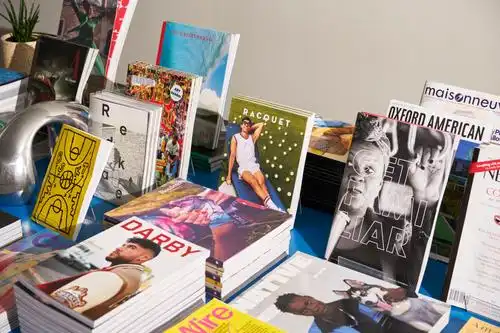
The independent Toronto retailer keeping magazine culture alive
Back in 2021, Nicola Hamilton, an award-winning art director for several Canadian magazines, noticed something missing from Toronto’s media ecosystem. Despite being Canada’s largest city and home to the country’s biggest print, broadcast and media-production hubs, it seemed to lack a specialist shop dedicated to selling print. “I have worked in magazines for a decade,” says Hamilton. “But I realised that Toronto hadn’t had an independent kiosk of its own in a very long time.”That set in motion a career shift, from designing magazines to selling them. In the summer of 2022, she established her own magazine shop, Issues, in the city’s Dundas West neighbourhood, an area already rich in independent retail. “It’s really fascinating to be on the other side of this industry,” says Hamilton, who firmly believes that magazines will continue to enrich and entertain future generations of people. “I’m used to putting a title together but seeing what customers are interested in reading and what they get excited about in the shop has taught me a lot.”It was one piece of advice in particular, offered by Jeremy Leslie, founder of MagCulture in London, that guided her initial steps into magazine retail: begin by bringing in five copies of every title that you want to stock, assess what sells, then build up the inventory from there. “I’m the first Canadian retailer for a lot of these titles so that felt very exciting,” she adds.The pared-back space was designed by Toronto-based Company Company as a shop and also as a gathering spot for the city’s creative folk. Issues hosts live talks with editors, writers and publishers, as well as magazine launches and other events. Demand has been so high for some of these that Issues now hosts pop-up shops and live talks in other parts of the country too.“I believe in independent media,” says Hamilton. “We encourage people to linger, browse, take a seat and ask questions. I hope that there’s plenty of inspiration to be found here.”issuesmagshop.comInk big: Monetising magazine retailConsider your inventory: Manage your stock when you start out. This will give you a clearer sense of what sells.Expand your offering: Pop-up shops, live events, collaborations and subscriptions to monthly magazine bundles will help to broaden your customer base.Champion harder-to-find titles: Stock familiar publications next to independent newcomers – people want to be inspired.
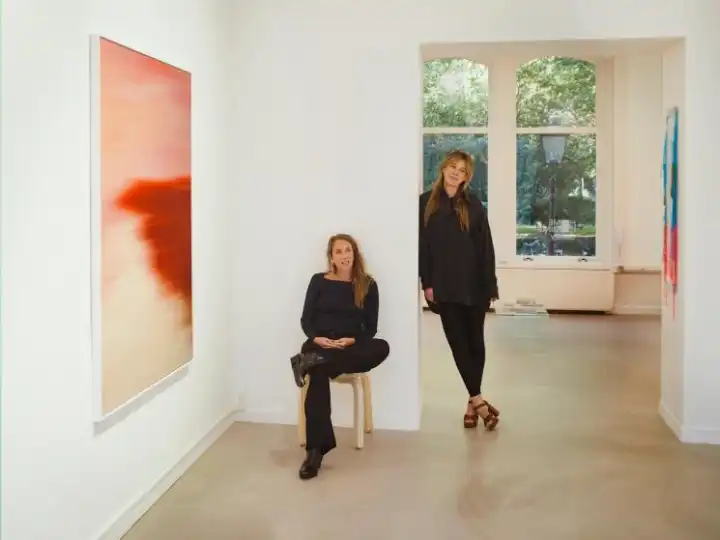
Three trailblazing photography dealers in LA, Hong Kong and Amsterdam
Gallery 01The West Coast pioneerWebber 939,Los AngelesAfter more than 20 years of running photographic and creative agency Webber Represents, as well as a London gallery, Chantal Webber (pictured) moved to Los Angeles in 2019, just as the city’s art scene was luring galleries from across the world. “The creative energy reminds me of New York in the 1990s,” she says from her east-side space. “But for a city steeped in photographic history, there aren’t many photo-led galleries.”Webber’s gallery, which opened in 2023, has made its mark by spotlighting future greats such as Daniel Shea and dusting off long-unseen works including those by feminist photo legend Tee A Corinne. Performance, film and ephemera are often integrated into shows and the gallery also has a public reading library, lined with photography books.Enticing some LA collectors out to the grittier east side and asking them to take the leap into buying photography is a “work in progress”, says Webber. “It’s important for us to take risks with what we show. For a younger, contemporary collector, we’re at the right price point.”webberrepresents.comGallery 02The local heroBlue Lotus Gallery, Hong KongSarah Greene at Blue Lotus Gallery in Hong KongIn 2007 ship-broker Sarah Greene opened Blue Lotus Gallery in an industrial building in Hong Kong. It was a side project: Greene, who hails from Belgium, tells monocle that she was more interested in creating a space where emerging artists could showcase their work than in “sales or making money”. In 2012, she narrowed the gallery’s scope to photography – especially work that took Hong Kong’s identity as its theme. “I’m happy that I found a special corner focusing on photography and crafting a unique programme,” says Greene. “A lot of the artists who we represent will be very difficult to find elsewhere.”Blue Lotus now occupies a street-level shopfront in Sheung Wan. Its roster includes the late street photographer Fan Ho and Hong Kong-based French artist Romain Jacquet-Lagreze. Greene is now expanding her remit across Asia, where young photographers often struggle to find galleries that will champion their work. Blue Lotus was an early exhibitor of Japan’s Yasuhiro Ogawa and Greene is excited to build a list of the best practitioners from across Asia. “There’s still a lot of talent that needs to be shown.”bluelotus-gallery.comGallery 03The talent spottersHomecoming,AmsterdamNadine van Asbeck and Karlijn Bozon at Homecoming in AmsterdamFounders Nadine van Asbeck and Karlijn Bozon (pictured, on right, with Van Asbeck) describe Homecoming Gallery as “a space to discover rising stars in photography, ahead of the curve”. And now, having previously popped up in spaces around the world and online over the past four years, their gallery has a permanent home.When monocle visits the central Amsterdam space, there are works on show by US artist Mia Weiner, who makes hand-weavings based on intimate photos. Kunstmuseum Den Haag modern art gallery has already snapped one up. In the back room, we find vibrant abstract prints by Dutch-German photographer Johnny Mae Hauser.The aim of Van Asbeck and Bozon, who met while working in fashion, is to present photography-focused work that doesn’t usually make it into traditional galleries. “We started this space because we felt that a lot of galleries were very focused on the same art schools,” says Bozon. “A whole generation of artists was being overlooked.”The duo are particularly focused on promoting female artists and hope to appeal to new audiences. “We wanted to show a little bit more of the person behind the art,” says Bozon. “We are drawn to work that ignites something in you. There needs to be a personal bond.”homecoming.galleryWho to buyThese five visionaries from across the globe are producing innovative, often highly personal work that is not only setting the standard when it comes to original contemporary photography but is exceptionally collectable too.1.Noémie GoudalParis-born visual artist Goudal works across various media, from film and photography to installations. Her ambitious work explores questions of ecology and anthropology.noemiegoudal.com2.Johnny Mae HauserThe Dutch-German artist’s abstract photographs have a painterly quality and have gained a strong following in Amsterdam, London, Taipei and Tokyo.johnnymaehauser.cargo.site3.Daniel SheaNew York-based Shea has a wide-ranging photographic CV, which includes shooting for fashion magazines and documenting the lives of working people. His images are known for their thrilling specificity and sense of humanity.danielpshea.com4.Daniel ObasiThe Lagos-based stylist, photographer and art director’s Afro-futuristic work addresses themes of masculinity, identity and gender in often theatrical ways.danielobasi.com5.Mohamad AbdouniBased between Beirut and Istanbul, photographer, filmmaker and curator Abdouni often works for fashion publications. His personal photography focuses on the rise of Beirut’s queer culture scene.mohamadabdouni.com

Culture agenda: How Studio Ghibli might inspire urbanists and the revival of a former factory in Ljubljana
Cinema,JapanBrought to lifeIdentifying the rustic locations that inspired a Studio Ghibli animation is a game that fans like to play. The picturesque fishing town inPonyois based on Tomonoura in Hiroshima prefecture. Meanwhile, the leafy forest inMy Neighbour Totorois modelled on Sayama Hills in Saitama. Sense of scaleDirector Hayao Miyazaki’s urban world is equally thrilling. His extraordinary eye for detail zooms in on the unconscious elements that make Japanese cities so distinctive. It’s less about landmarks than about the sense of scale, street signs or even the railings that skirt the road. Many of Miyazaki’s most memorable locations have been figments of his imagination. Films such asHowl’s Moving CastleandKiki’s Delivery Serviceoccupy a specific part of the Ghibli worldview; their cities are part-European, part-fantasy, and wrought with such precision that viewers could almost believe that they exist. At Ghibli Park, the studio’s theme park in Aichi, buildings from those places have been brought to life. There’s the bakery that Kiki worked in – the architectural details perfectly replicated, the baked goods real – and there’s her little attic room. And over here’s the hat shop fromHowl’s Moving Castle, recreated as though Sophie, its heroine, had just stepped away from her work. Structure from ‘Howl’s Moving Castle’Fantasy landscapeLike any good theme park, Ghibli Park is an escape from the grime of any actual city (less of a contrast in Japan where streets are low on crime and litter). Some consider Miyazaki to be an unsung urban designer, citing examples such as Koriko, the imaginary city inKiki’s Delivery Service,with its lively streets and old-fashioned low-rise buildings. Among the leavesGhibli Park opened partially in 2022 but Goro Miyazaki, Hayao’s son and the director of the park, opened the final section this spring. Even if you had never seen the films, you can enjoy the experience. Howl’s Castle clanks and steams, Kiki’s washing is hanging on the line. It’s a relaxingly analogue outing and visitors are encouraged to walk between attractions. There are no rides, apart from a merry-go-round where visitors can twirl at a stately pace to a suitably Ghibli-esque tune.The exoticism and completeness of Miyazaki’s urban vision has long piqued the interest of the Japanese viewer. Perhaps its time that some architects, urbanists and property developers took a closer look for inspiration too?Industrial magicGuy de Launey steps inside a historic former bicycle factory in Ljubljana to explore Center Rog, a new creative hub seeking to democratise a culture of making.The wheels are turning again at the old Rog bicycle factory in Ljubljana. But this is no longer the facility that provided self-powered mobility to citizens of Tito’s Yugoslavia. Today the new Center Rog is facilitating different forms of production. The city authorities have carried out an extensive and remarkably rapid transformation of the site since they controversially repossessed it in 2021 from the squat that had occupied it for 15 years. The heritage-listed façade of the original 1951 structure remains intact, facing the Ljubljanica river. But the other side is all glass, giving a clear view of the facilities within. Center Rog’s mid-century façade“It’s a place where we turn ideas into products,” says Center Rog’s director-general, Renata Zamida. “We don’t just facilitate the projects of professional creators and makers. Anyone is welcome to work here, turning their ideas into tangible objects.”The amenities include “production labs” on the ground floor, work studios on the second and third floors, and artists’ residences on the top level. The first floor houses a branch of Ljubljana’s public library that holds 20,000 items in its almost 300 sq m space; there’s a children’s section, a classroom and a newspaper reading room there too. Zamida says that this encourages people who might be unfamiliar with (or intimidated by) the idea of a “creative hub” to stumble across people and facilities that could help to unlock their creativity.Creative mindsA standard membership fee of just €15 a year opens the door to Center Rog’s nine production facilities. The FabLab has rows of 3D printers, laser cutters and soldering stations. Adventurous interior designers can “learn how to make furniture from mycelium” at the Green Lab. And the Food Lab’s offer of “experimental research and the conquest of new skills” can be tailored to anyone, from home cooks to professional chefs.The occupants of the generously sized studios, which are granted rent-free for a period of one to three years to projects deemed worthy, also take full advantage of the labs. They are currently creating everything from sustainable snacks to a high-performance electric boat and Center Rog’s version of vertical integration lets them move quickly from concept to production without so much as leaving the building.The centre welcomes all-comers“It’s perfect,” says industrial designer David Tavcar, who is creating a range of furniture from deadstock metal. “I can draw something on a computer and then go down to the workshop, where I can produce my own prototypes. I’m completely hands-on.” So far, more than 1,200 people have become members of Center Rog, well beyond the management’s five-year plan. In the old bike factory, a creative revolution is under way.
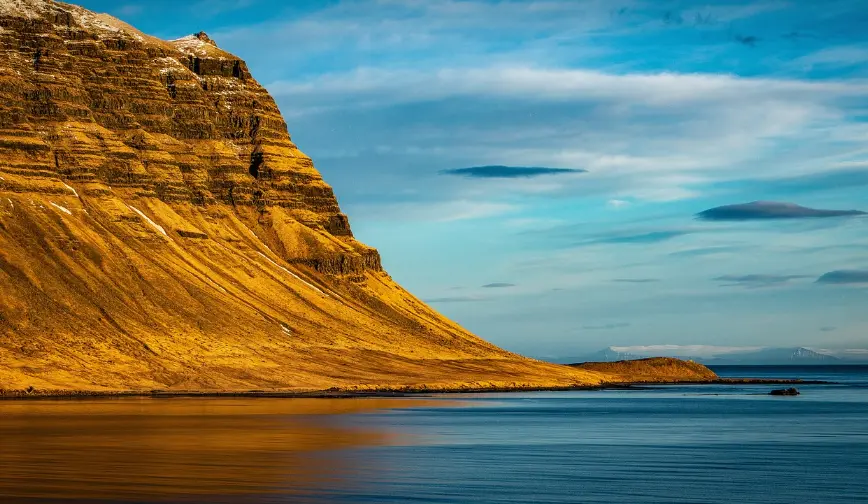
Exploring Iceland’s Natural Wonders: A 7-Day Itinerary
Iceland is a land of dramatic landscapes, from glaciers and volcanoes to hot springs and waterfalls. Whether you’re hiking across the Vatnajökull glacier or soaking in the Blue Lagoon, Iceland offers a unique travel experience for adventure seekers and nature lovers alike. Here’s a 7-day itinerary to help you explore the best of what Iceland has to offer. Day 1: Arrive in Reykjavik Start your journey by exploring Reykjavik, Iceland’s capital. Visit Hallgrímskirkja Church for panoramic views of the city and take a stroll down Laugavegur Street to explore the local shops and cafes. Don’t miss the Harpa Concert Hall for its stunning architecture. Day 2: The Golden Circle The Golden Circle is one of Iceland’s most famous tourist routes, including three must-see sights: Þingvellir National Park (a UNESCO World Heritage Site), the geothermal Geysir Hot Springs, and the powerful Gullfoss Waterfall. Day 3: South Coast and Waterfalls Drive along Iceland’s south coast, visiting stunning waterfalls such as Seljalandsfoss and Skogafoss. You can even walk behind Seljalandsfoss for a unique perspective. Stop by the black sand beaches of Reynisfjara near Vik. Day 4: Jökulsárlón Glacier Lagoon Head to the Jökulsárlón Glacier Lagoon, where icebergs float in a serene lagoon. Nearby, visit Diamond Beach, where chunks of ice wash ashore on the black sand beach. Day 5-6: Hiking in Vatnajökull National Park Spend two days hiking in Vatnajökull National Park, home to Europe’s largest glacier. Take a guided glacier walk or explore the stunning ice caves during the winter months. Day 7: The Blue Lagoon and Departure End your trip with a relaxing dip in the Blue Lagoon, a geothermal spa known for its healing waters. It’s the perfect way to unwind before heading back home. Travel Tips for Iceland: Rent a 4x4: Iceland’s weather can be unpredictable, and some of the more remote destinations require a 4x4 vehicle. Pack for All Seasons: Iceland’s weather can change rapidly. Bring layers, waterproof clothing, and sturdy hiking boots. Book Activities in Advance: Popular tours, like glacier walks and Northern Lights excursions, can book up quickly, so it’s best to reserve in advance. Conclusion: Iceland is a country of stunning natural beauty that offers an array of unique experiences. With this 7-day itinerary, you’ll be able to explore its most famous landmarks while enjoying the breathtaking landscapes that make this island nation so special.
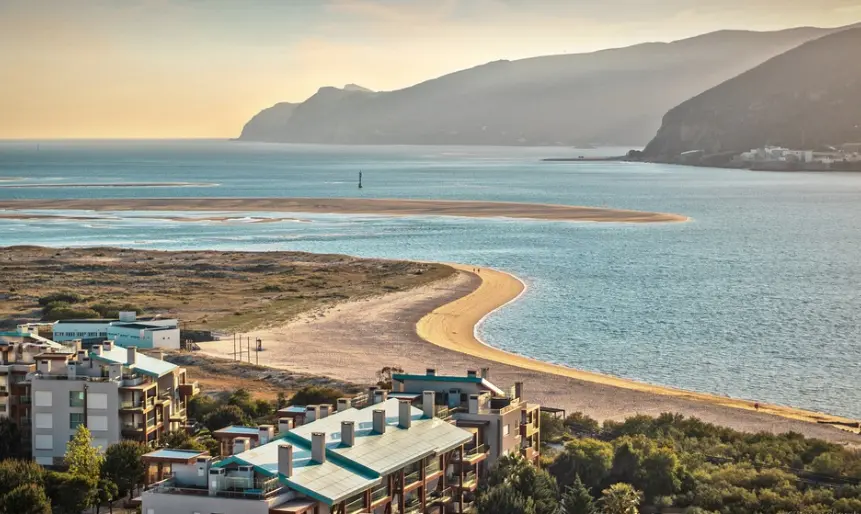
A Hidden Gem: Exploring the Unseen Corners of Portugal
While Portugal is often overshadowed by its popular neighbors, Spain and France, it’s a destination filled with surprises for those willing to step off the beaten path. From picturesque coastal towns to hidden mountain villages, here’s how to uncover the lesser-known but equally captivating sides of Portugal. 1. Douro Valley: This UNESCO World Heritage-listed valley is known for its stunning landscapes and terraced vineyards. Explore by boat along the Douro River or drive through the winding roads to discover charming towns like Pinhão and Peso da Régua. 2. Azores: This archipelago in the middle of the Atlantic Ocean offers unspoiled landscapes, volcanic craters, and thermal hot springs. Sao Miguel Island, with its lakes and lush greenery, is a perfect base to explore this off-the-beaten-path destination. 3. Sintra: Often overshadowed by Lisbon’s charm, Sintra is a fairytale town filled with magical castles and palaces. The Palácio da Pena and Quinta da Regaleira are just a few highlights of this picturesque town nestled in the mountains. 4. Alentejo Region: Vast, rolling plains dotted with cork trees and medieval villages, Alentejo offers a peaceful escape from Portugal’s more tourist-heavy areas. Visit the historic city of Évora and enjoy local wines and hearty food. Conclusion: Portugal is a country with layers waiting to be explored. Whether you prefer scenic valleys, volcanic islands, or sleepy rural towns, Portugal’s hidden gems offer a richer, more intimate travel experience.